





Cambodia YMCA “Women’s Voice in Community Development”


Last Updated (Tuesday, 23 December 2025 12:19)
“Women’s Voice in Community Development”
Organized by: Cambodia YMCA in response to the call of the Gender Equity Committee of the Asia Pacific YMCA to observe the 16 Days of Activism against Gender Based Violence
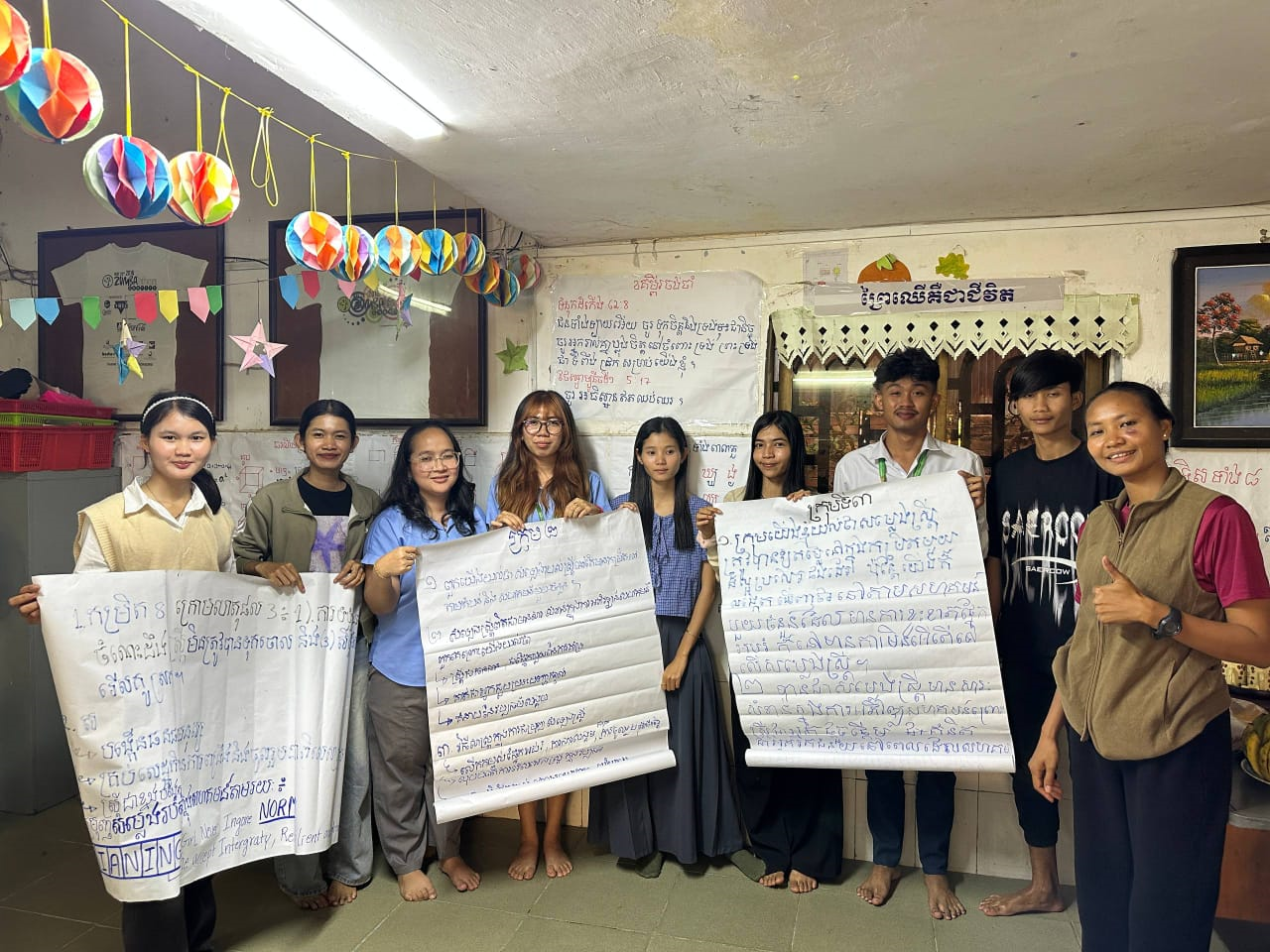
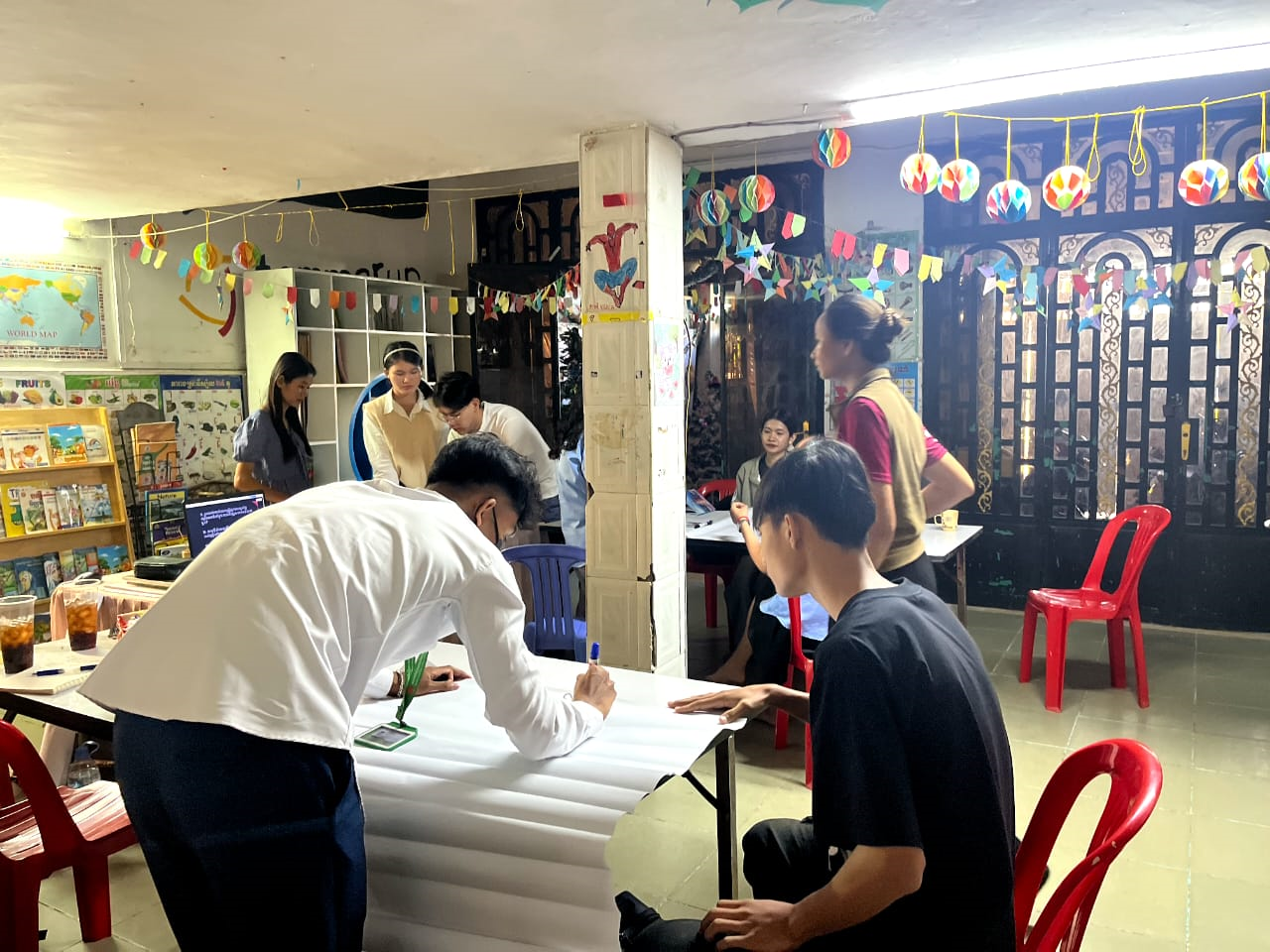
On 29 November 2025, the Cambodia YMCA organized a short program in partnership with the Asia and Pacific Alliance of YMCAs (APAY) as part of the global 16 Days of Activism campaign. The program featured a workshop titled “Women’s Voice in Community Development”, facilitated by a Cambodia YMCA staff member who also serves on the APAY Gender Equity Committee.
Workshop Objectives
The workshop was designed to achieve the following objectives:
1. Support the APAY movement in promoting and strengthening women’s voices across the region.
2. Empower young people to understand the significance of women’s voices and encourage them to confidently exercise their rights and express their views.
3. Explore youth perspectives on the importance of using their voice and the challenges they face in speaking up.
A total of 10 college students (including 3 males) joined the workshop.
Session Highlights:
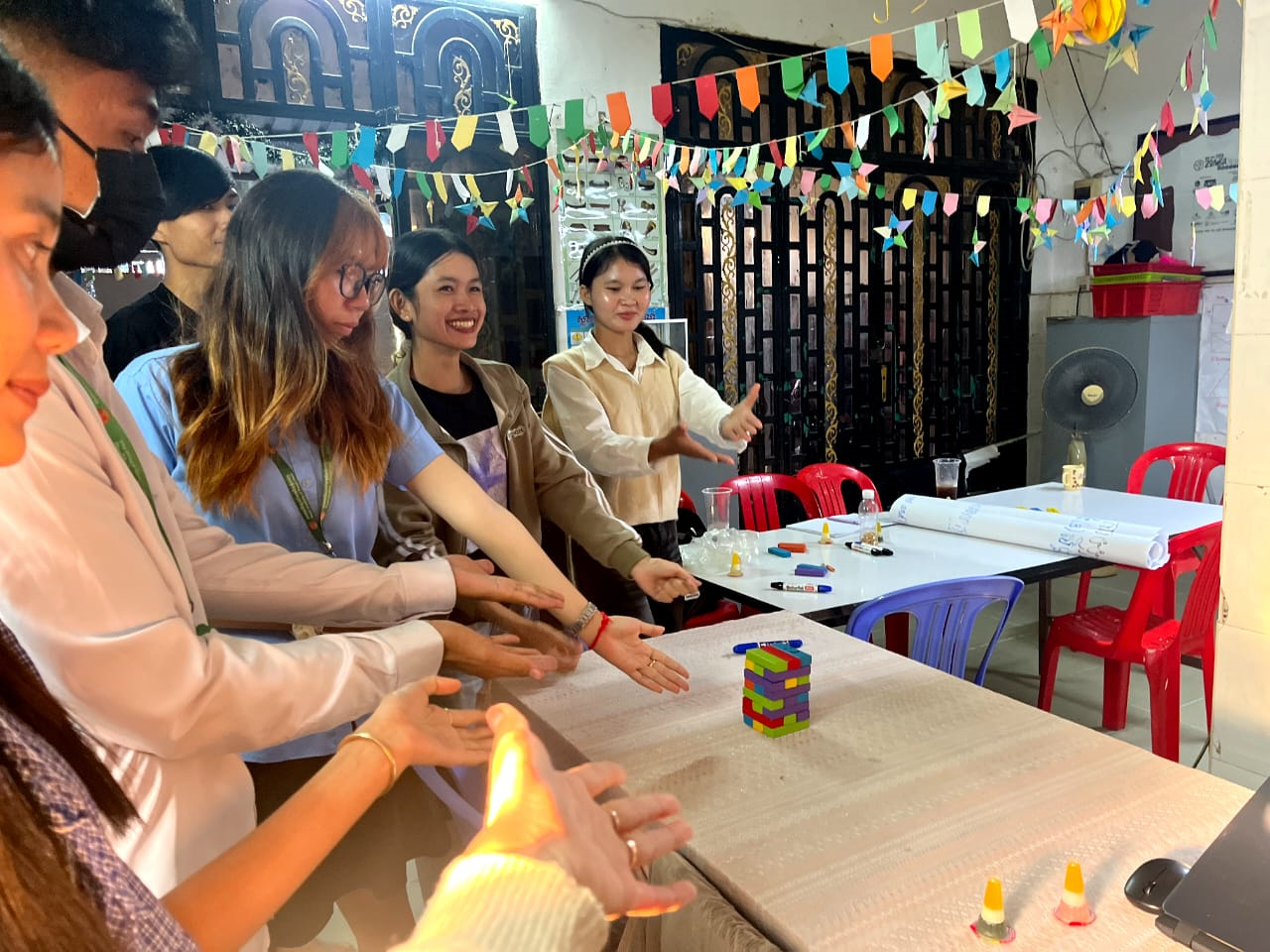
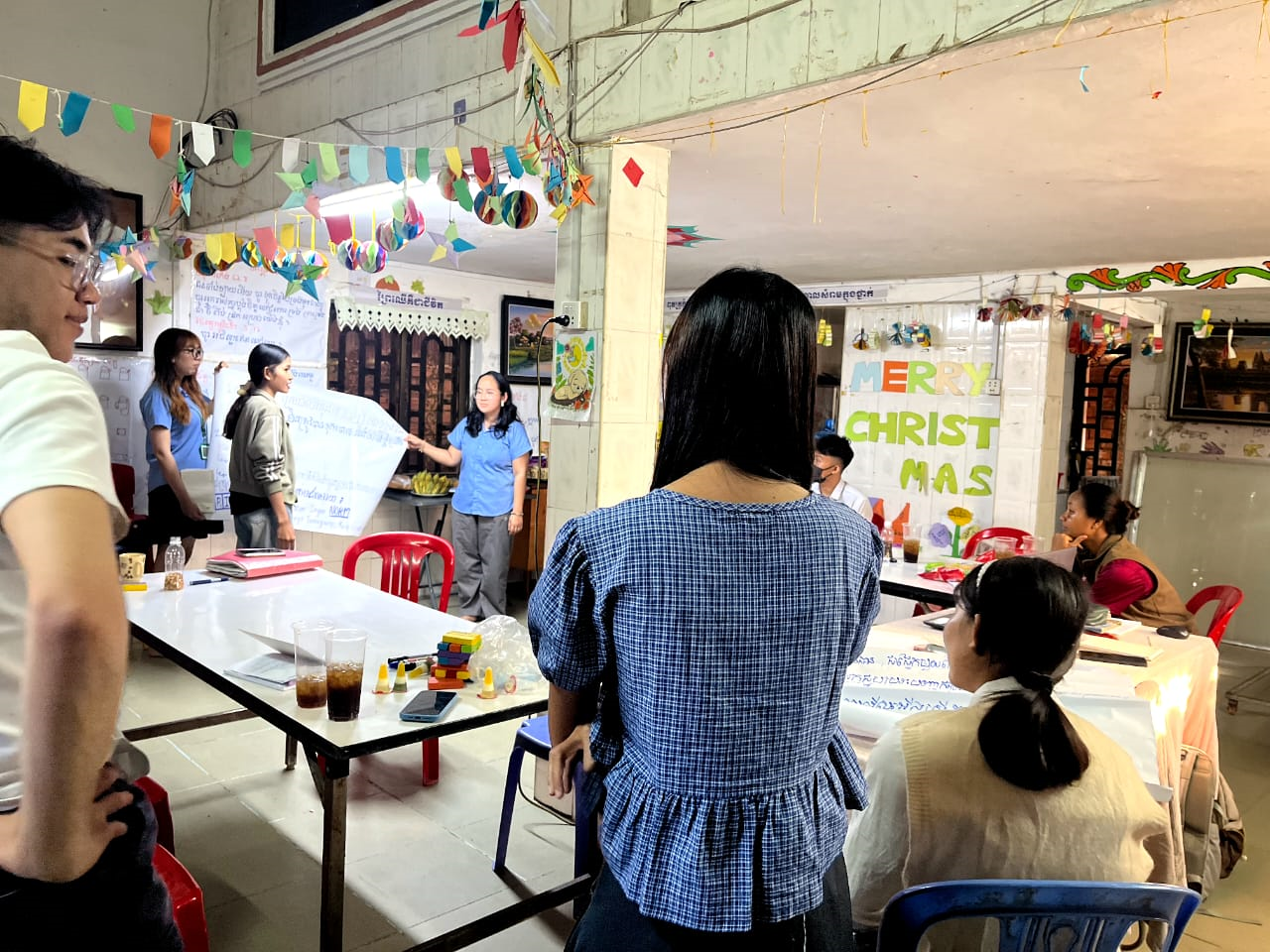
Miss Nimey Rin, the General Secretary of Cambodia YMCA, conducted a sharing session that stimulated thoughtful discussion among participants. Interactive activities encouraged the young people to engage with the topic, reflect on their own experiences, and draw inspiration from one another.
Key Outcomes:
The workshop provided participants with new insights into the power of their voices, especially in the context of women’s participation in community development. It reinforced the understanding that women’s voices are essential at every level of decision-making and that youth play a critical role in promoting gender equity.
Participants expressed that the session helped them recognize how everyday actions and conversations can contribute to creating a more inclusive community. Several students shared that they felt more confident to speak up about issues affecting women and marginalized groups. The discussions also encouraged them to reflect on their own biases and responsibilities as young leaders.
Moreover, the workshop created a safe space where participants could openly share concerns, ask questions, and learn from different perspectives. Many reported feeling inspired to take part in future advocacy initiatives,
 |  |
 |  |