





Youth Camp & Worship 2026 YMCA Malang


Last Updated (Friday, 05 June 2026 20:06)
YMCA MALANG – INDONESIA
Youth Camp & Worship
By Aleycia Parameitha & A. Kambodji
Empowering youth through health and environmental awareness
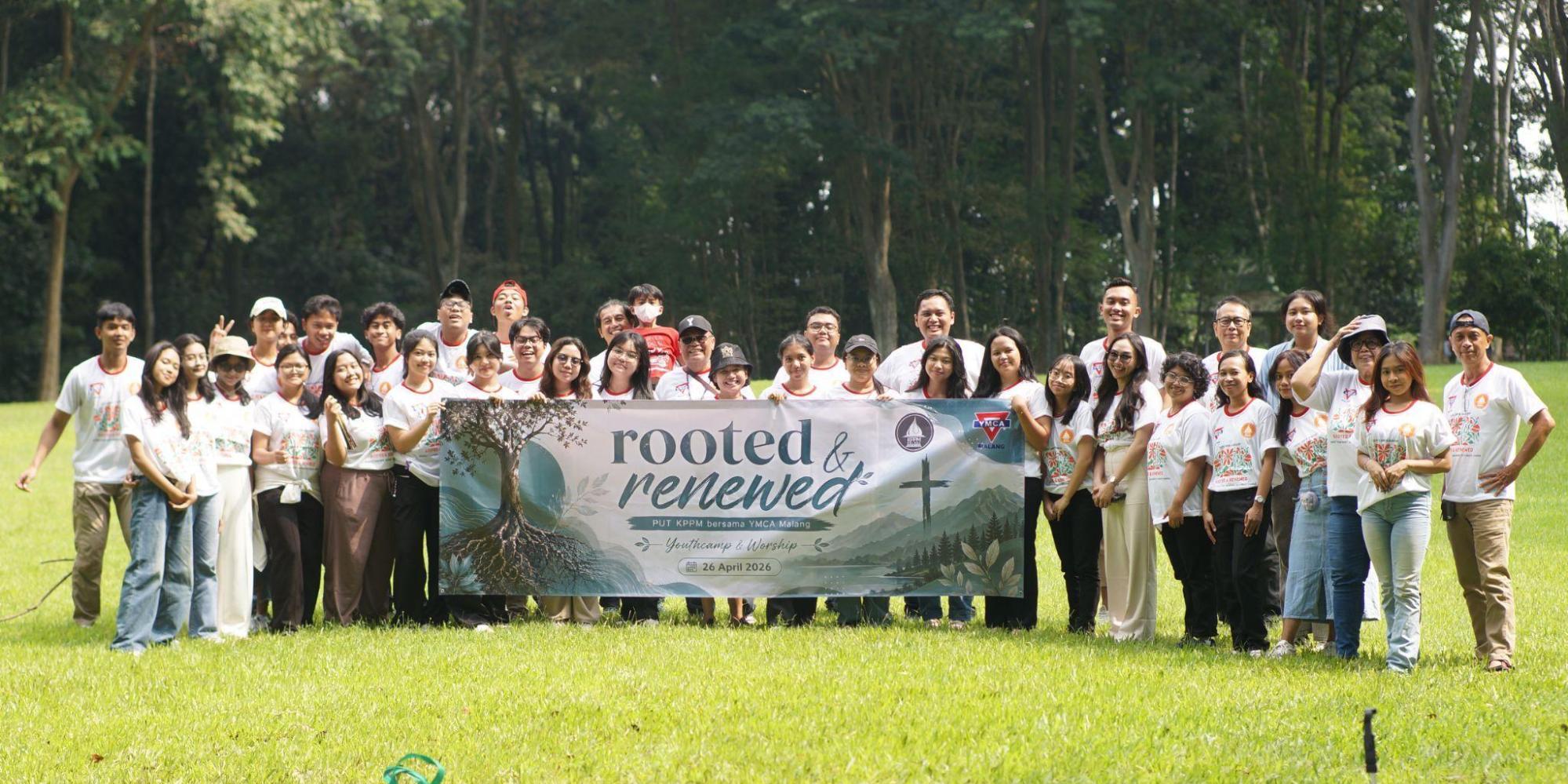
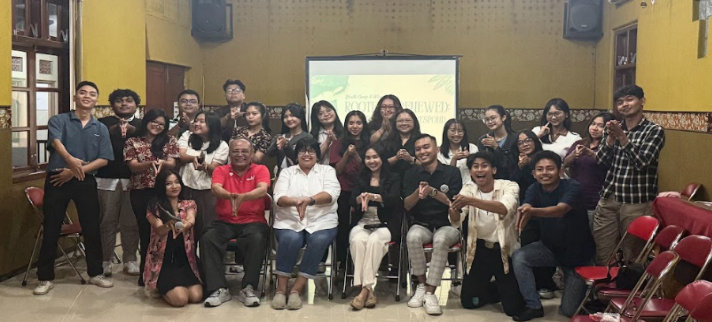
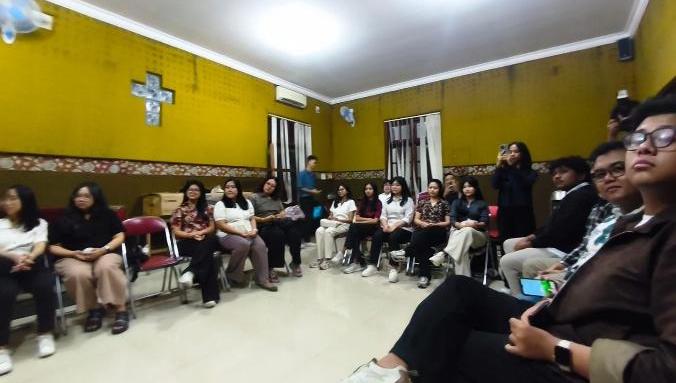
YMCA Malang - Indonesia successfully held a Youth Camp, Worship and Compost Training under the theme: “Rooted & Renewed – Respect your body, Respond to Climate Change” on April 25 – 26, 2026. The first day was an offline seminar attended by 45 youth participants, reflecting a shared commitment to promoting health awareness and environmental responsibility. The event brought together three medical professionals who delivered insightful sessions from their respective fields, creating a well-rounded and engaging learning experience.
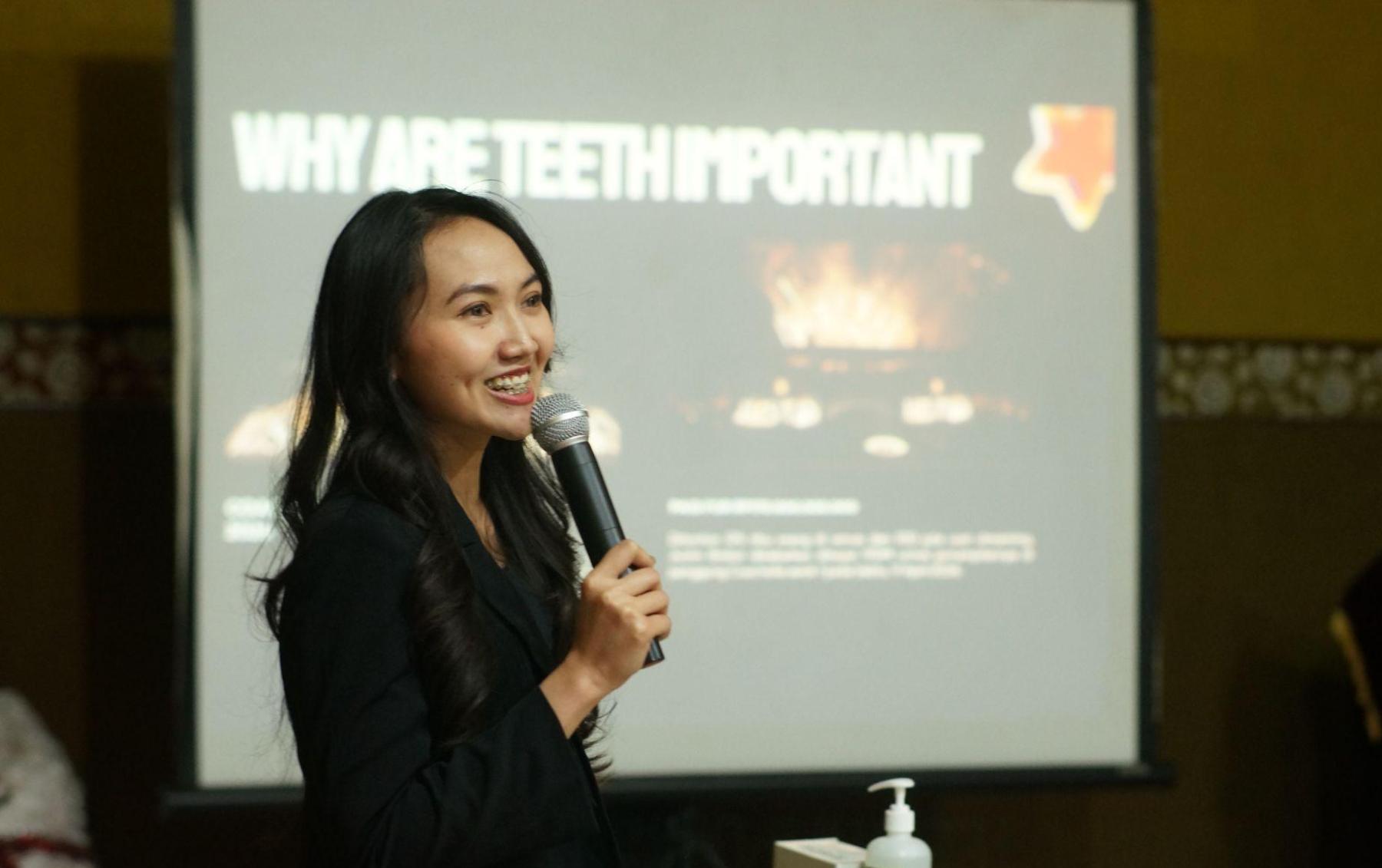
The first session was presented by Kristina Linggam Puspaningtyas (Dentist), who discussed the importance of maintaining dental health. In addition to raising awareness about proper oral hygiene practices, she also highlighted the serious consequences that may arise when oral health is neglected. These include severe infections, tooth loss, and the potential impact on overall health, emphasizing that dental issues should not be underestimated as they can develop into more critical conditions if left untreated.
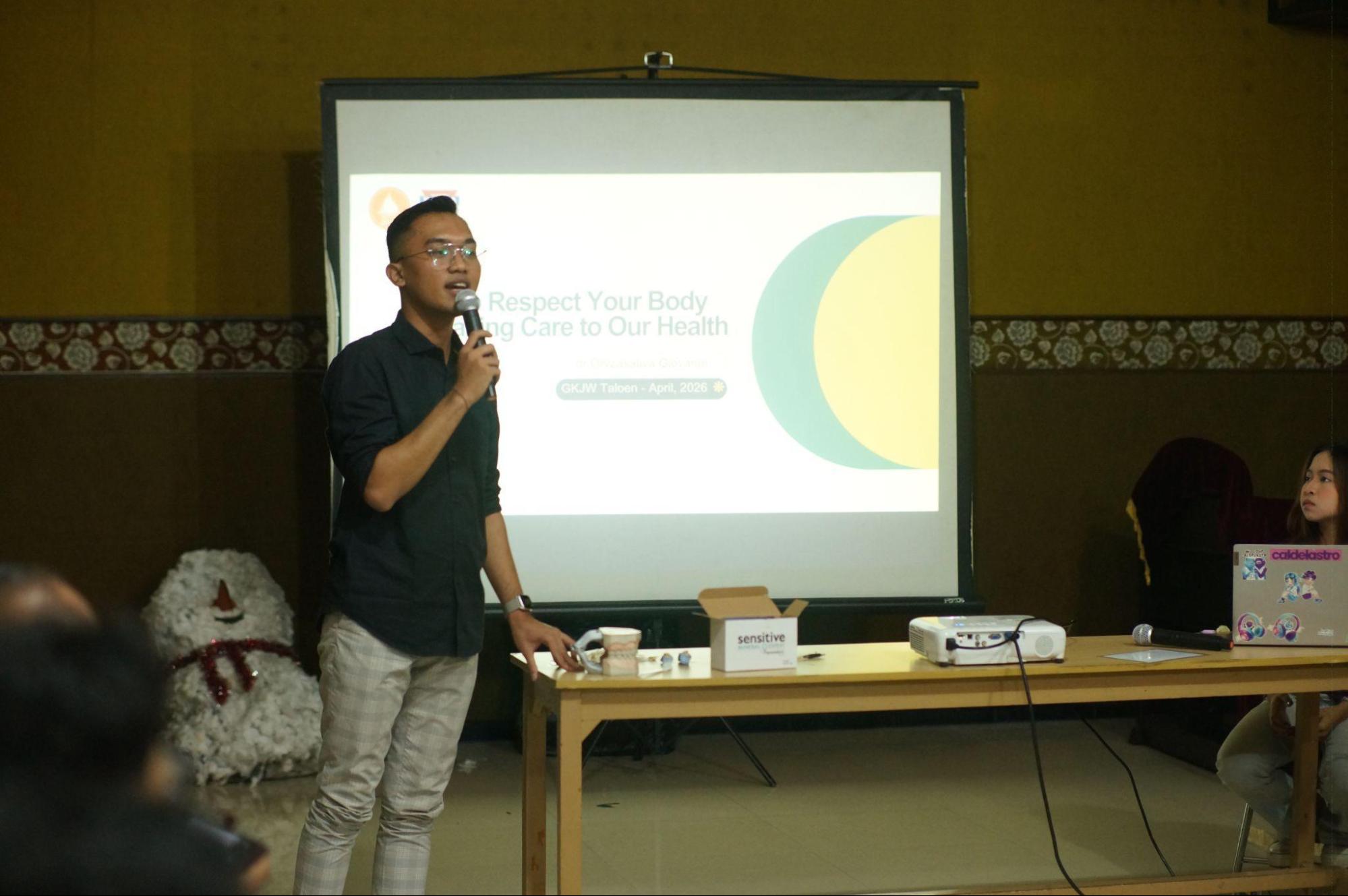
The second session was delivered by Oryzasativa Giovanni, MD who addressed the importance of maintaining overall physical health, with a particular focus on reproductive health. He also explained what constitutes a balanced and nutritious diet, helping participants understand appropriate food portions and the importance of meeting daily nutritional needs. Furthermore, the session included an educational overview of how sexually transmitted infections can occur, along with clear and responsible guidance on preventive measures, reinforcing the importance of awareness, informed choices, and healthy behaviors among young people.
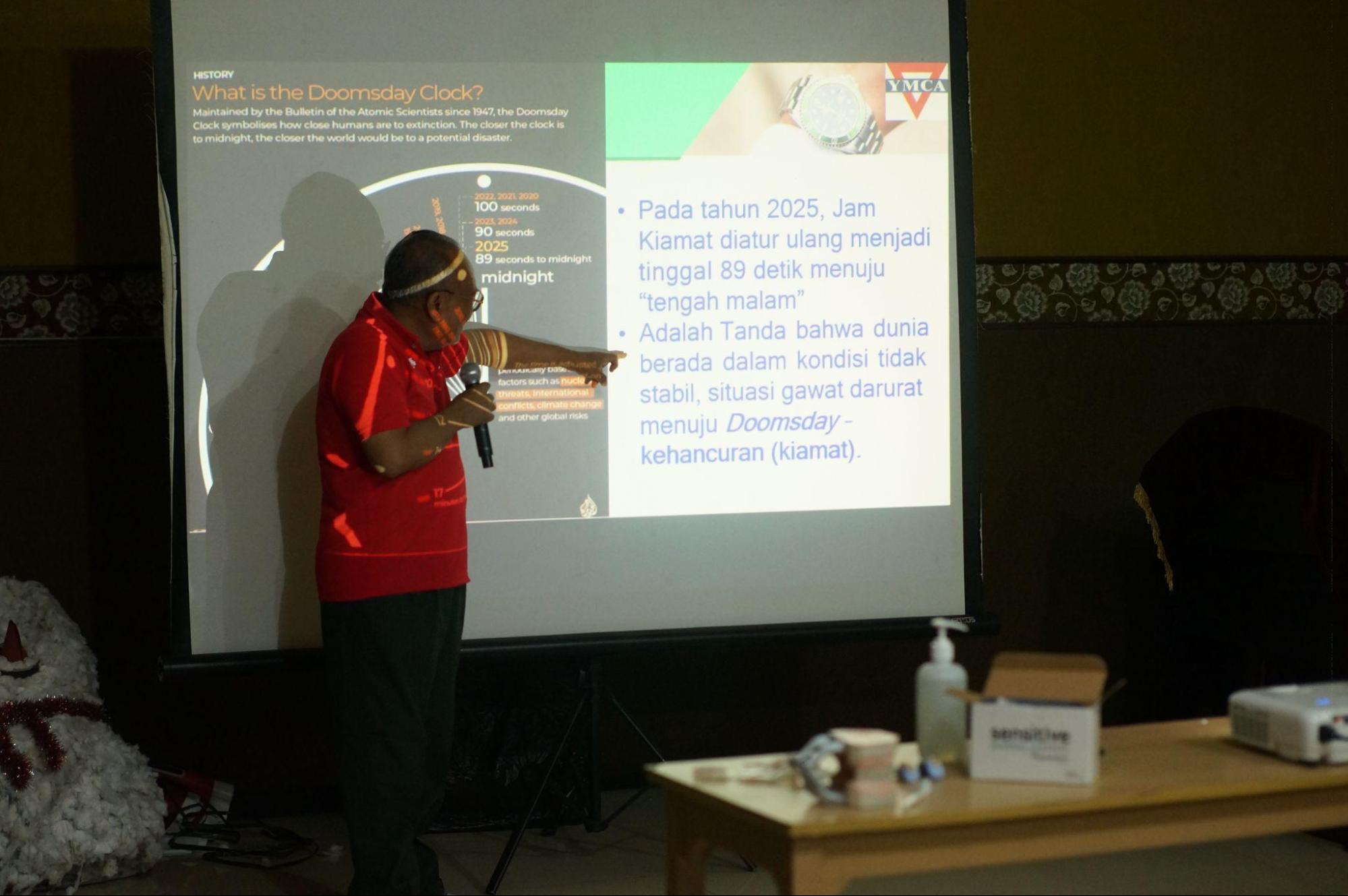
The final session was presented by Aplhinus Kambodji, MD under the theme “Relationship Between Human & Nature: Nature as Our Sibling.” In his discussion, he emphasized that despite rapid advancements in various aspects of human life and civilization, it remains essential for us to maintain awareness and care for the natural environment. He reminded participants that no matter how advanced our society becomes, humans continue to coexist with nature, making it crucial to preserve and respect it as an integral part of our lives.
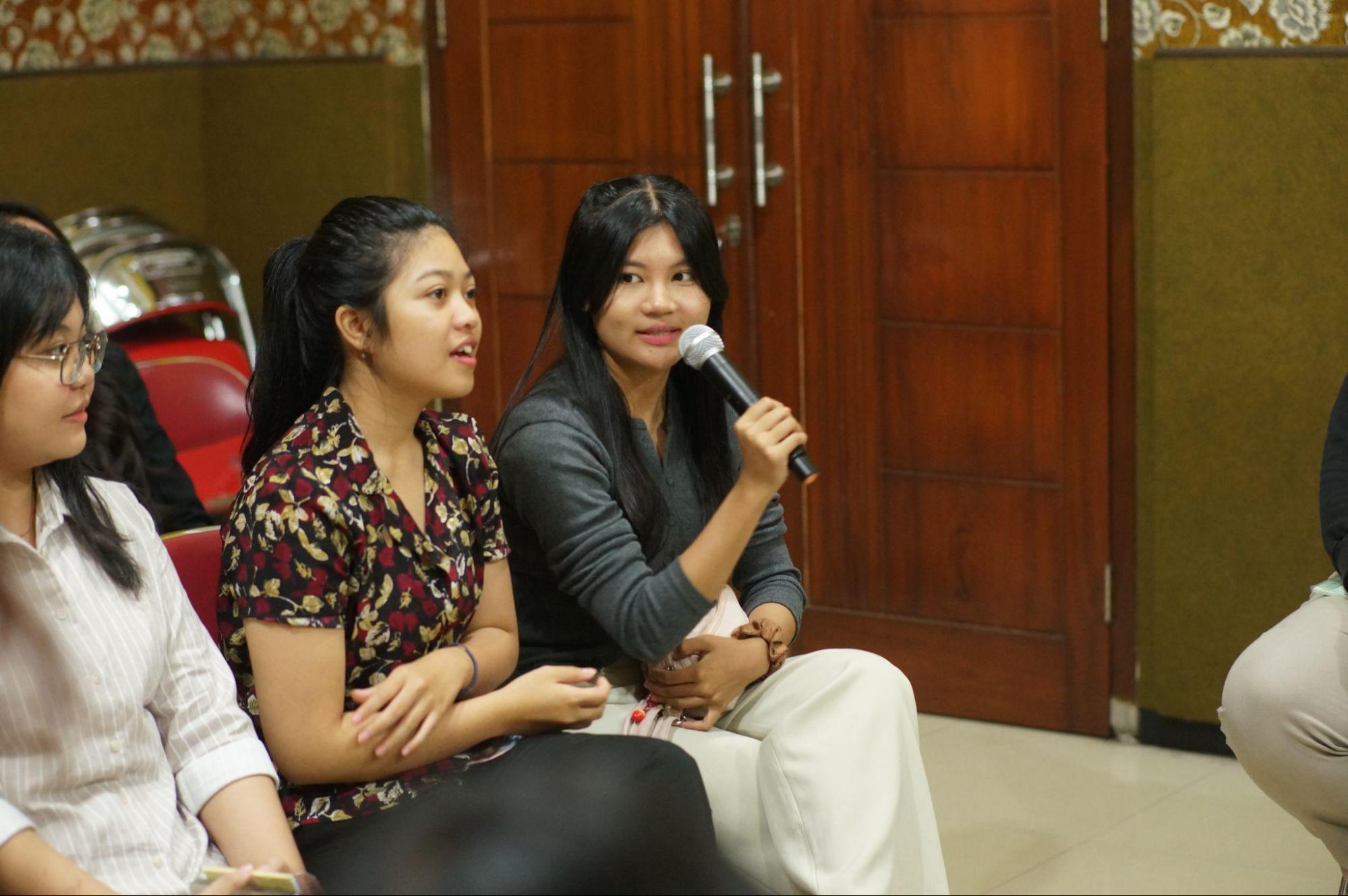
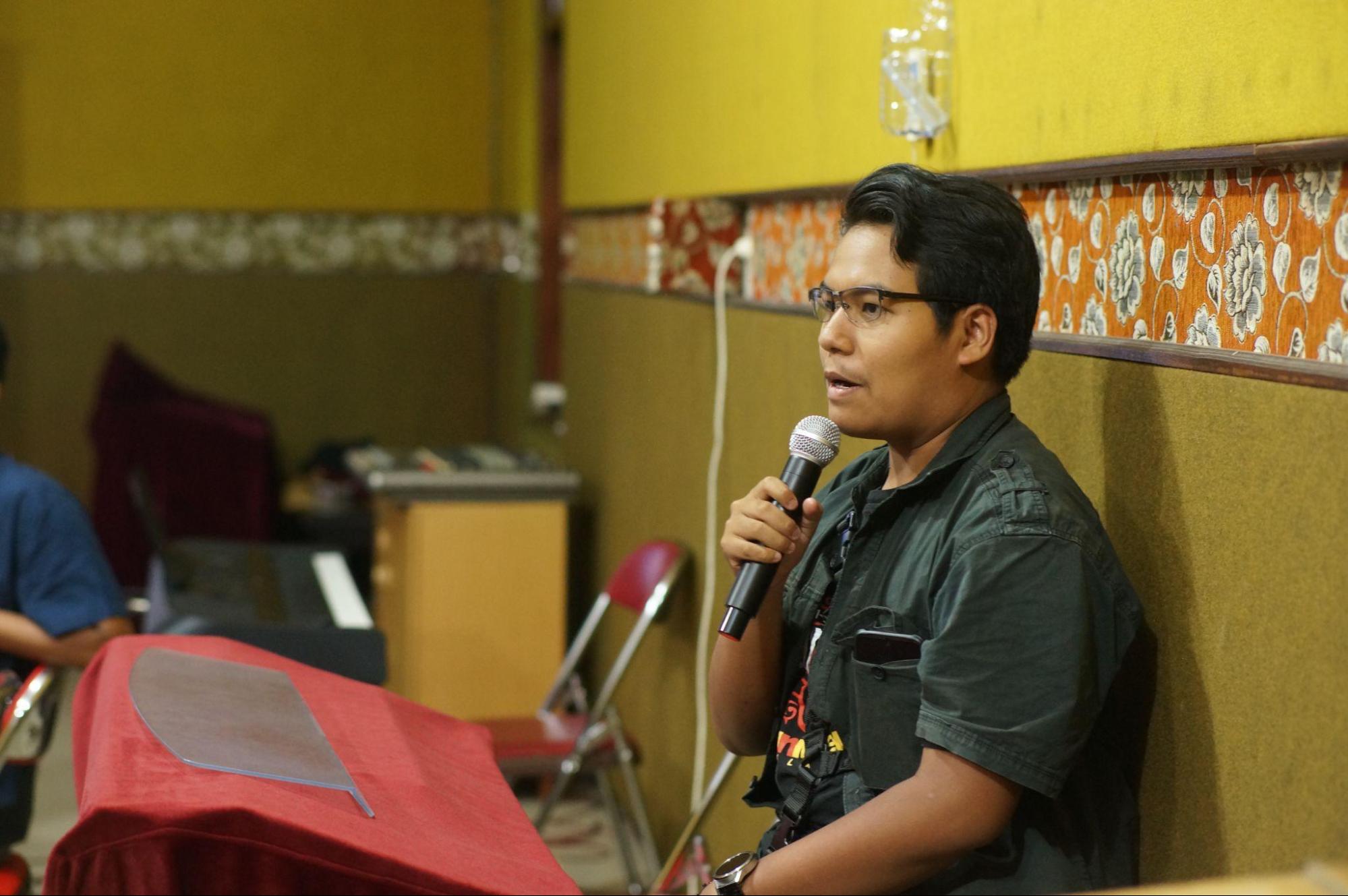
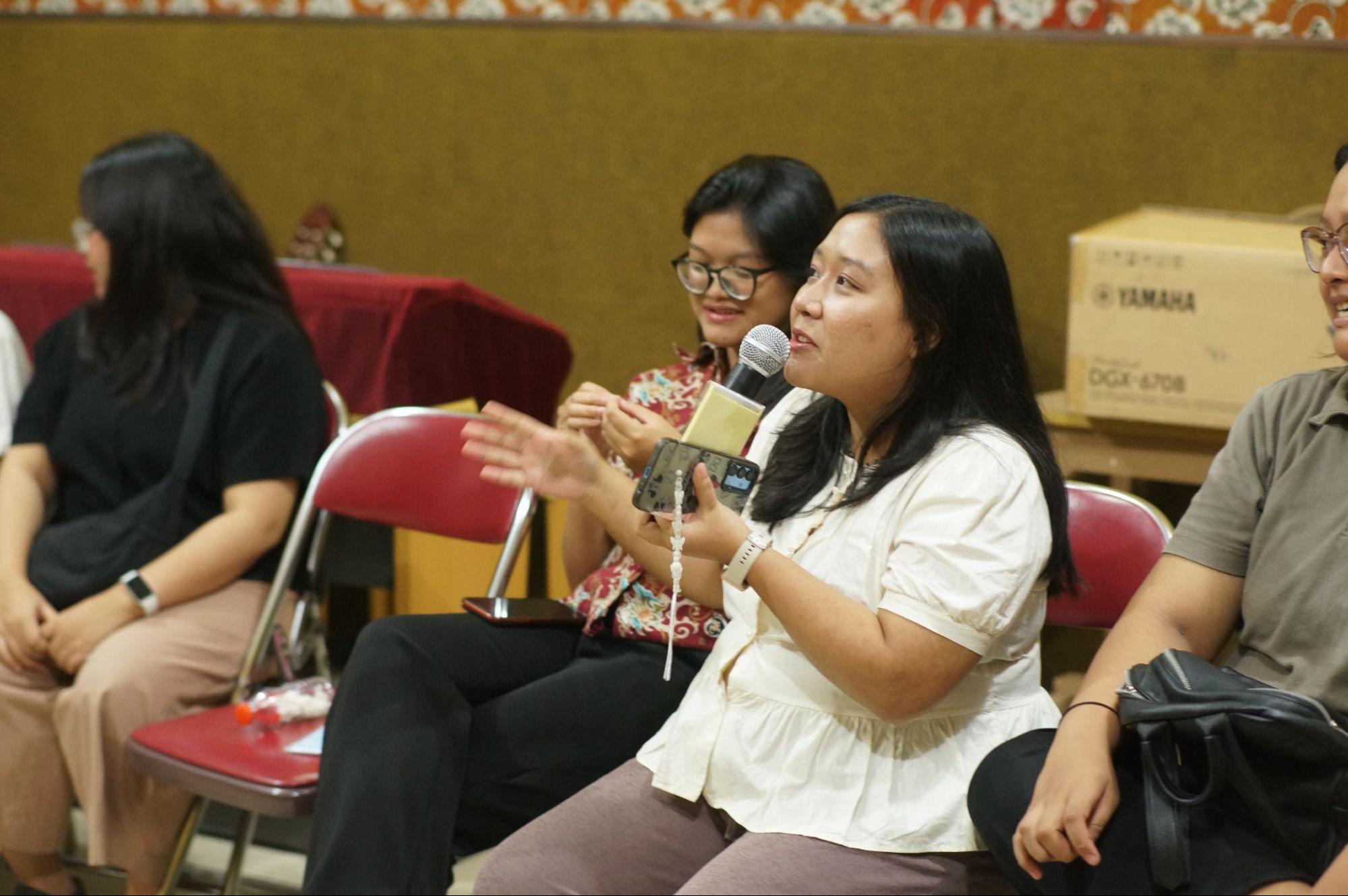
Beyond the presentations, the seminar was designed to be interactive. Participants actively engaged in a question-and-answer session and open discussions. One notable contribution came from a participant named Myra, who raised a question regarding the implementation of the NOHOT (Now One House One Tree) program, particularly in the context of limited residential space. This sparked a meaningful discussion, highlighting practical and adaptable solutions such as utilizing hydroponic systems, planting in pots, and selecting small or low-maintenance plant species.
Reconnecting youth with nature through reflection and action
In the second of Youth Camp & Worship on April 26, 2026, the program continued with the participation of youth in a reflective outdoor worship session. This activity was held in an open natural setting at Purwodadi Botanical Garden, allowing participants to experience a more immersive and meaningful connection with nature.
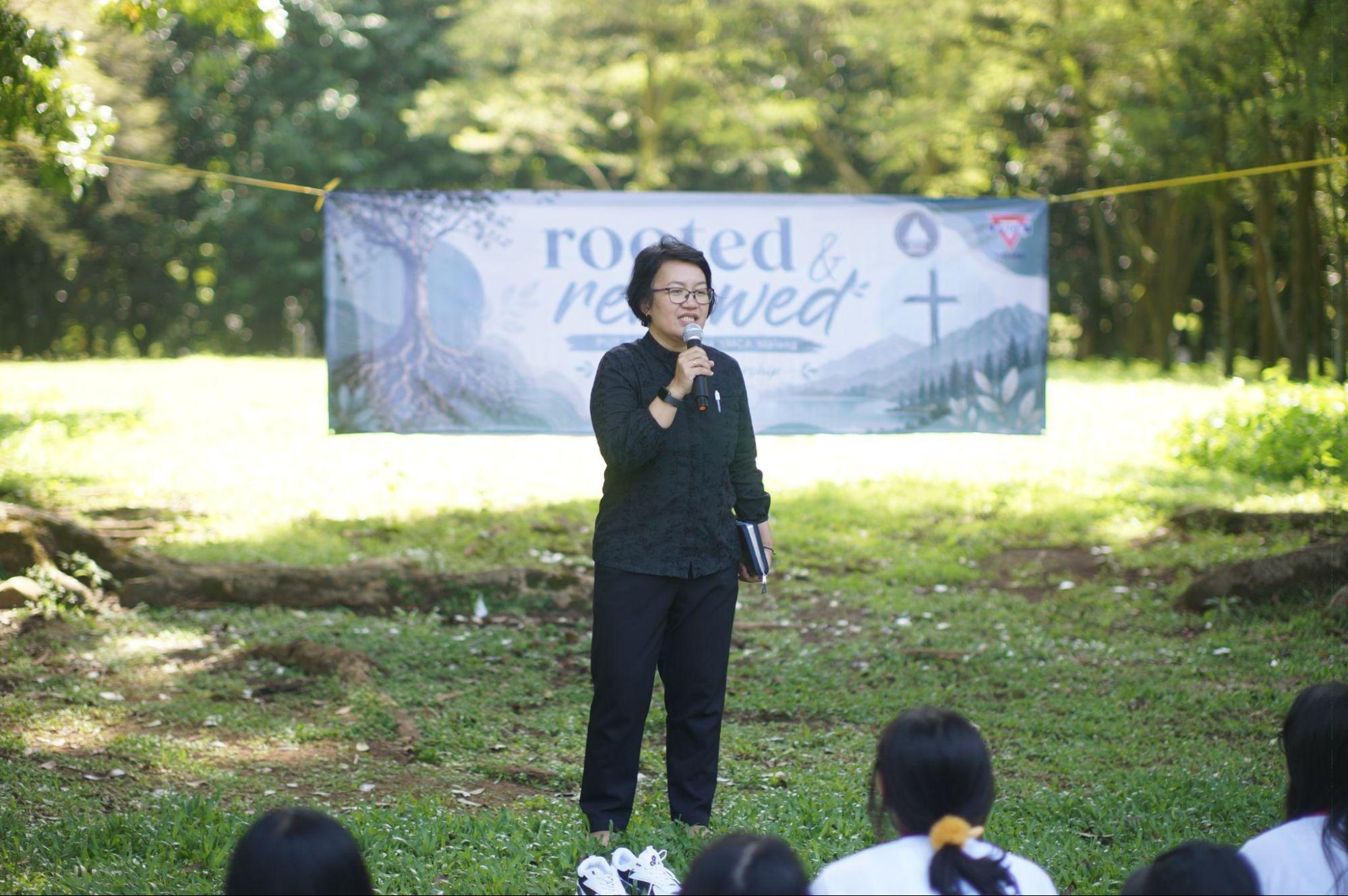
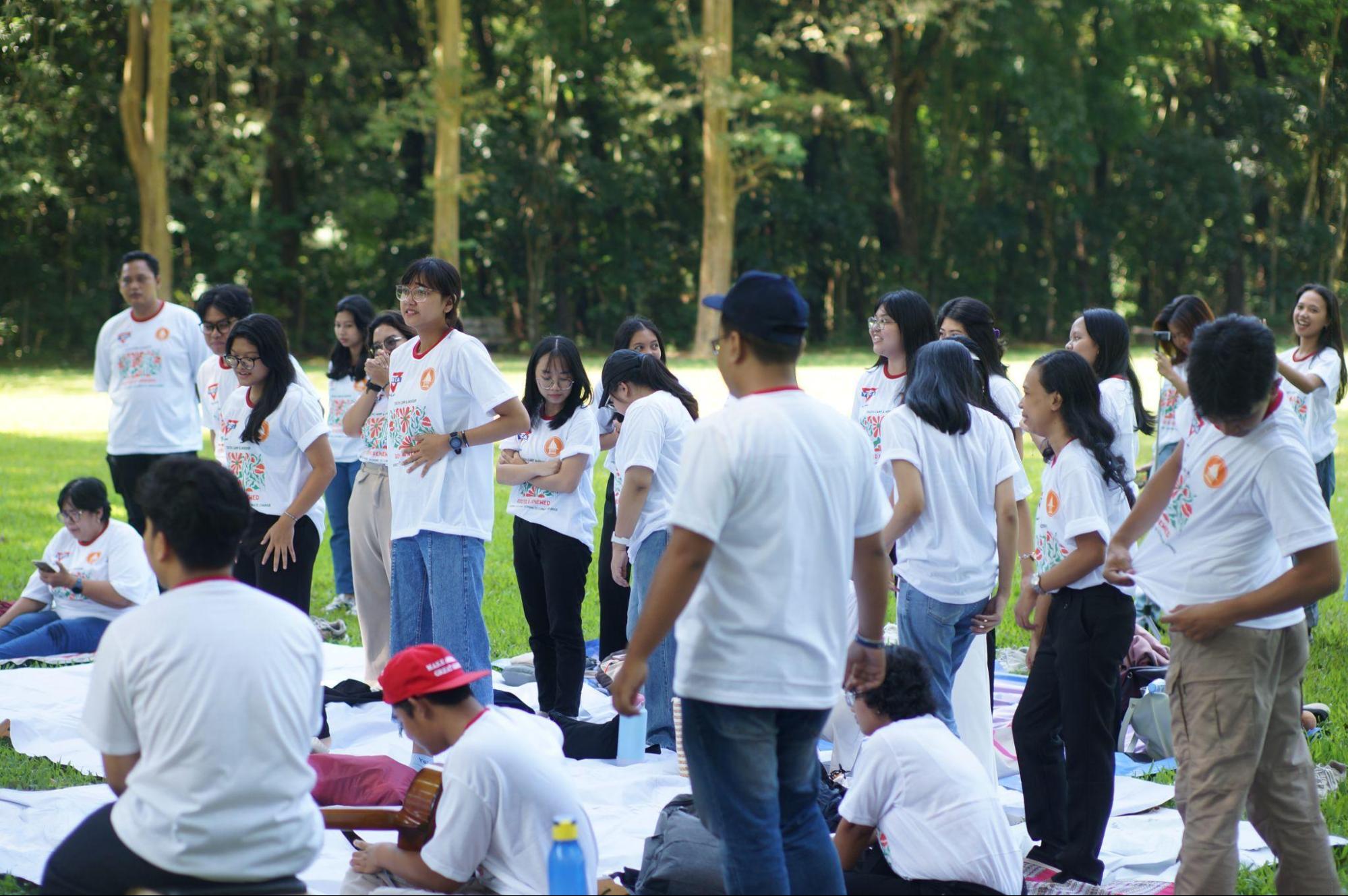
The worship was intentionally designed to take place amidst greenery, where participants could observe various plants and listen to the natural sounds of birds and insects. This setting encouraged them to slow down and reflect. Through this experience, many participants realized that in the midst of their daily routines and personal responsibilities, they often overlook and neglect nature despite its essential role in sustaining human life. The moment served as a reminder that nature is not separate from us, but rather a “close companion” that we depend on.
This growing awareness fostered a sense of responsibility among the participants to care for and preserve the environment. Recognizing nature as something we coexist with and not merely utilize encourages more sustainable attitudes and actions for the continuity of life.
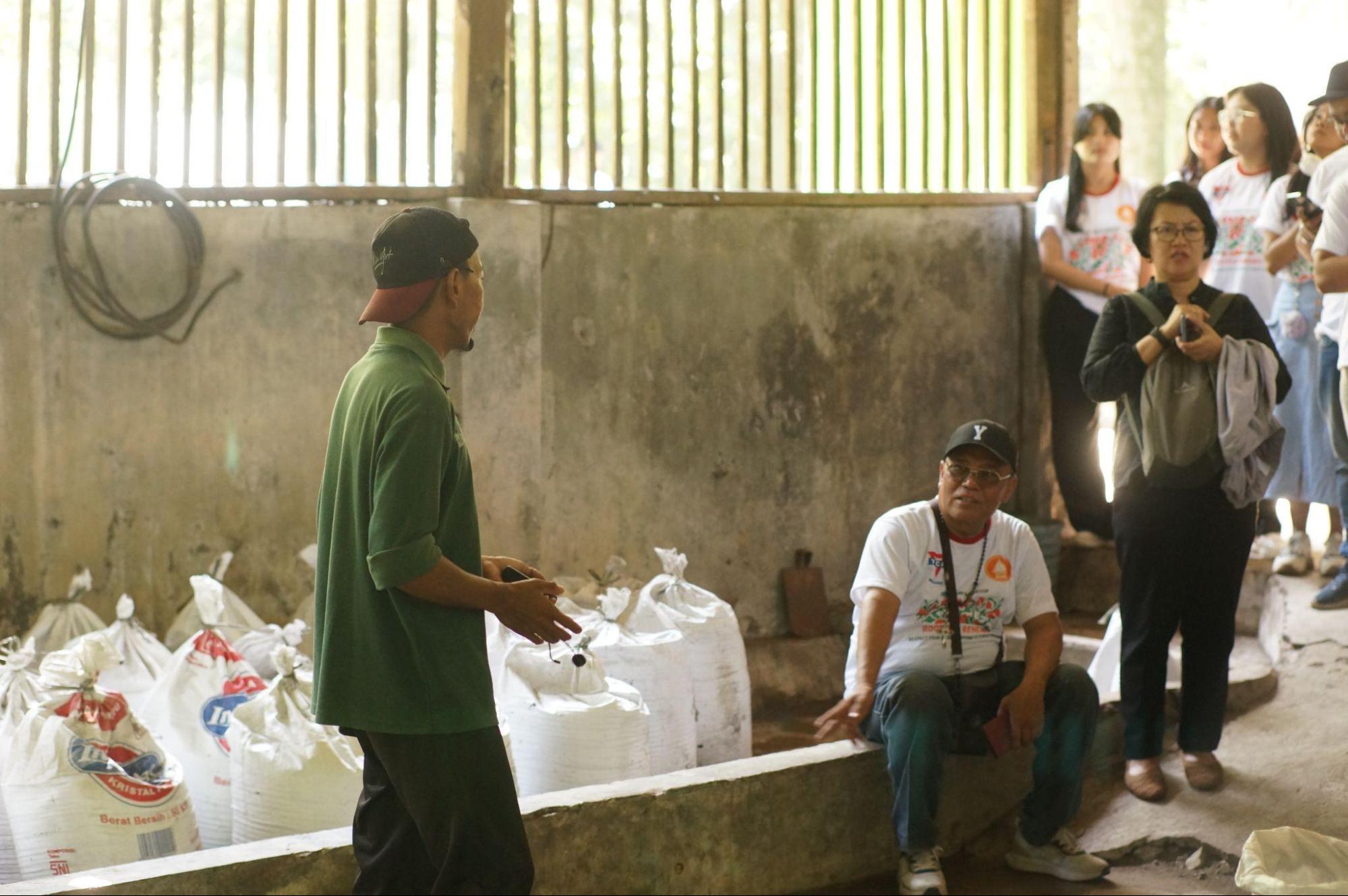
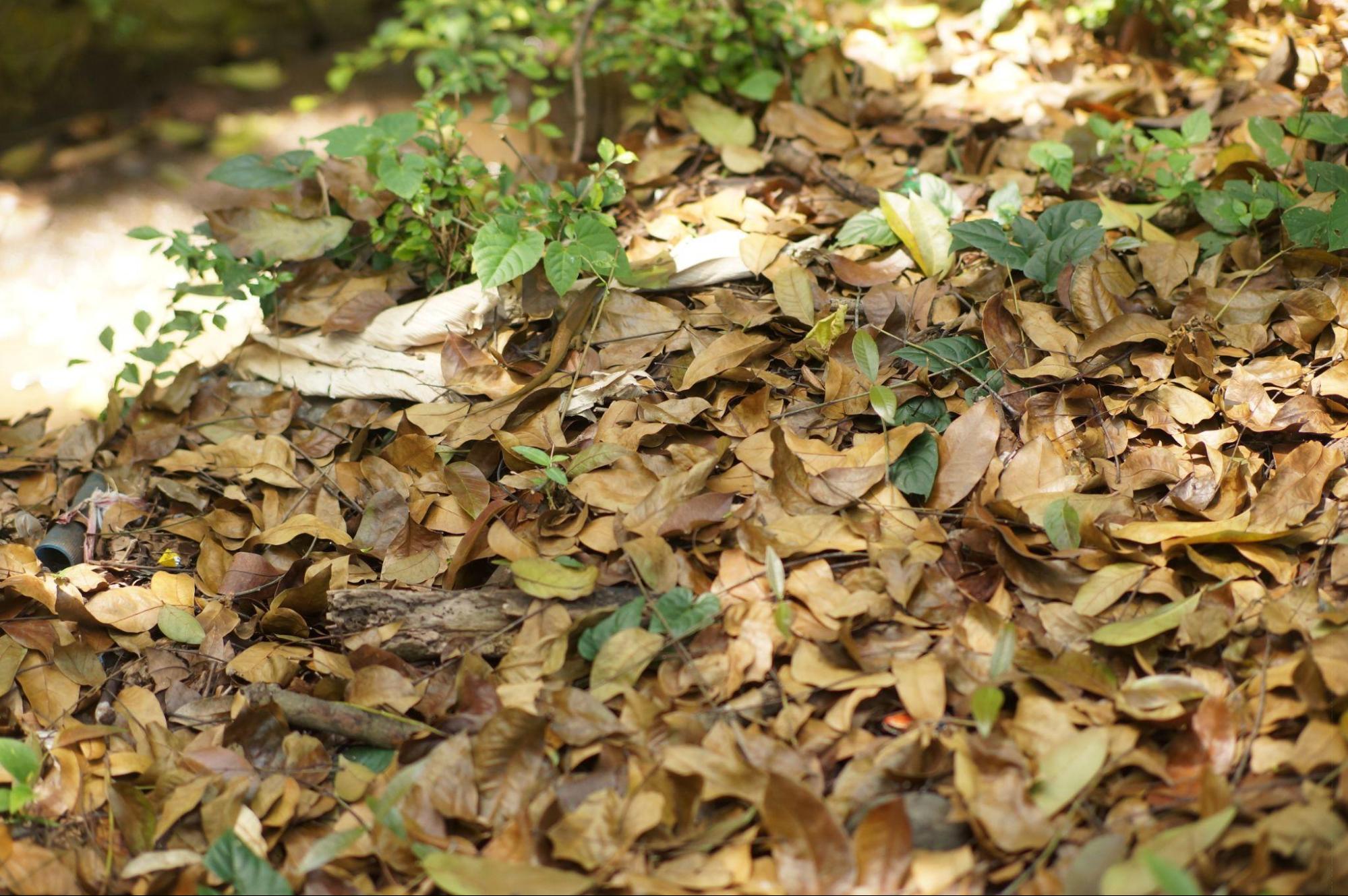
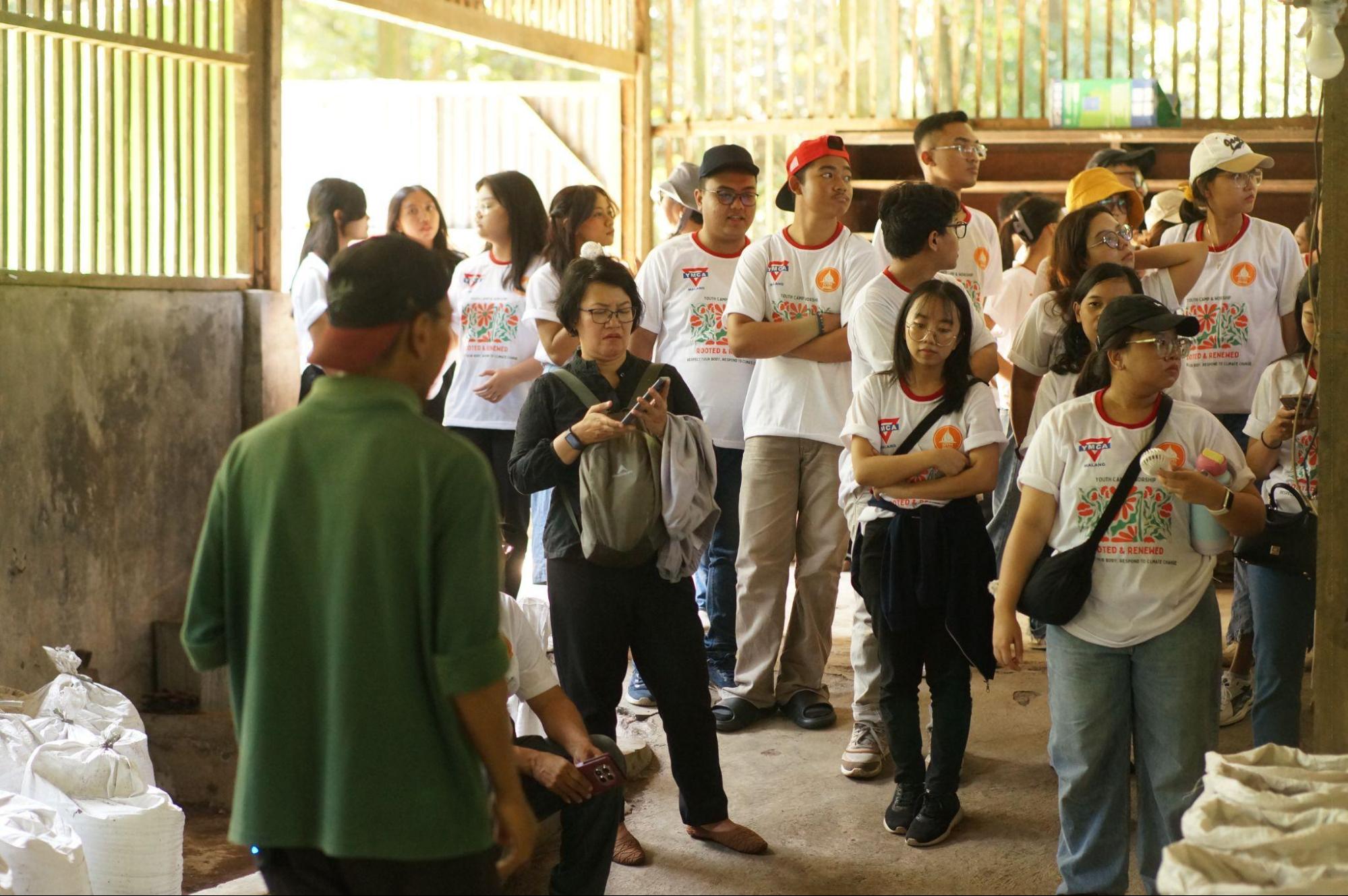
Following the worship session, the activity continued with a hands-on learning experience on how to produce organic compost using natural materials available in the botanical garden. Participants learned that the process of producing compost typically takes around four to five months, during which dry leaves and plant debris are naturally decomposed by detritivores (organisms that feed on organic matter), such as millipedes, larvae, and earthworms. This process highlighted the importance of natural cycles and the role of even the smallest organisms in maintaining ecological balance.
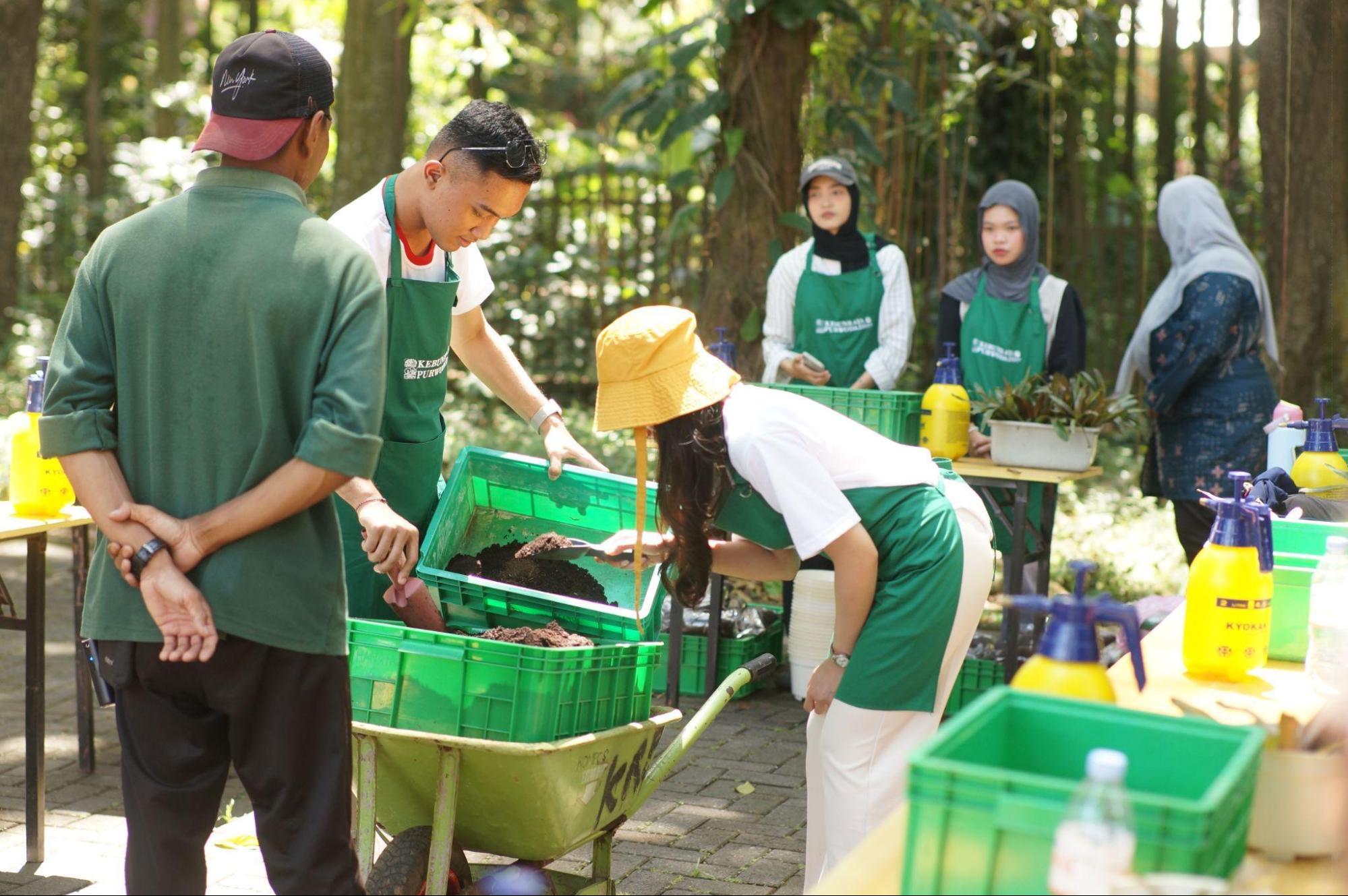
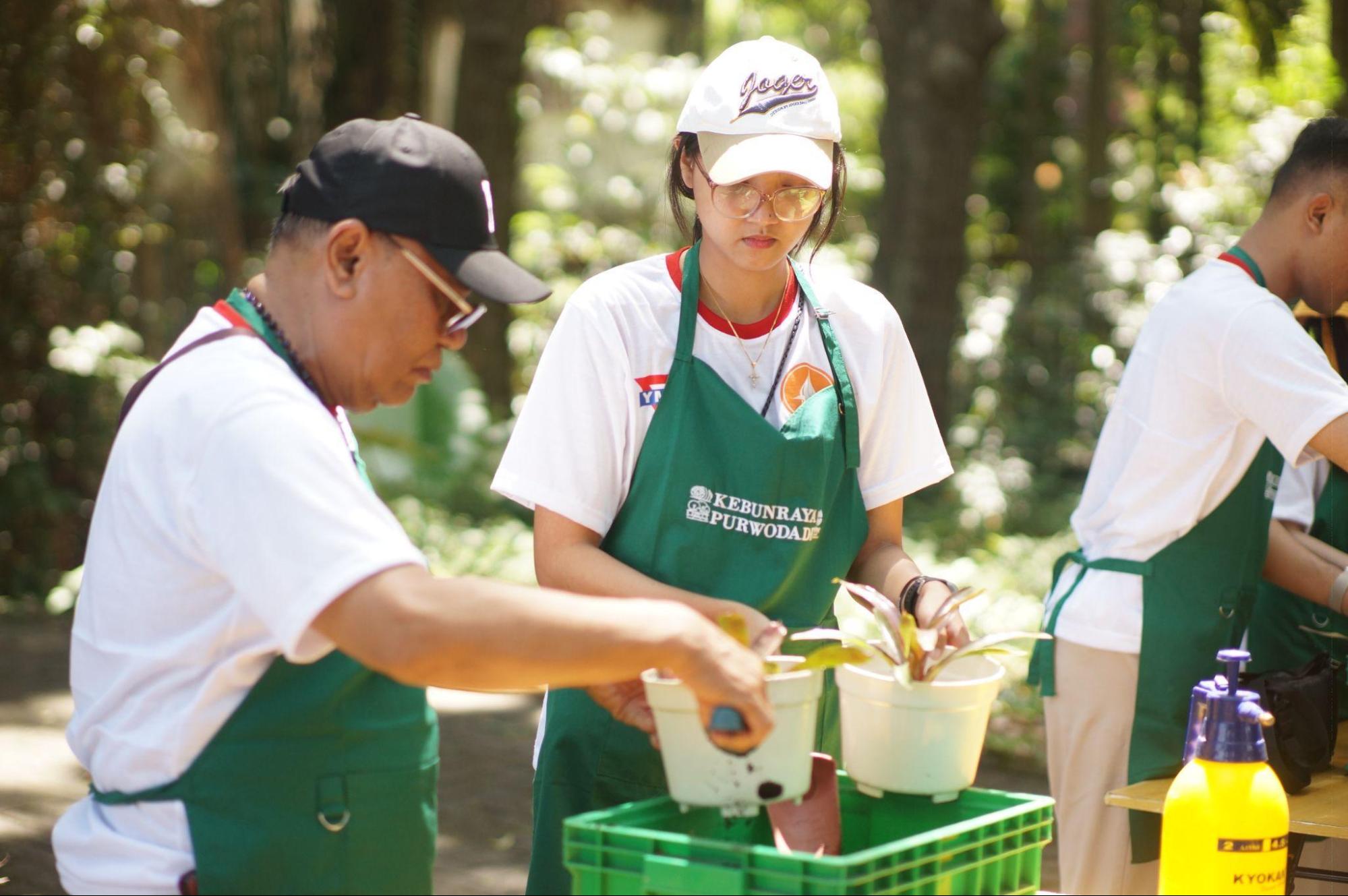
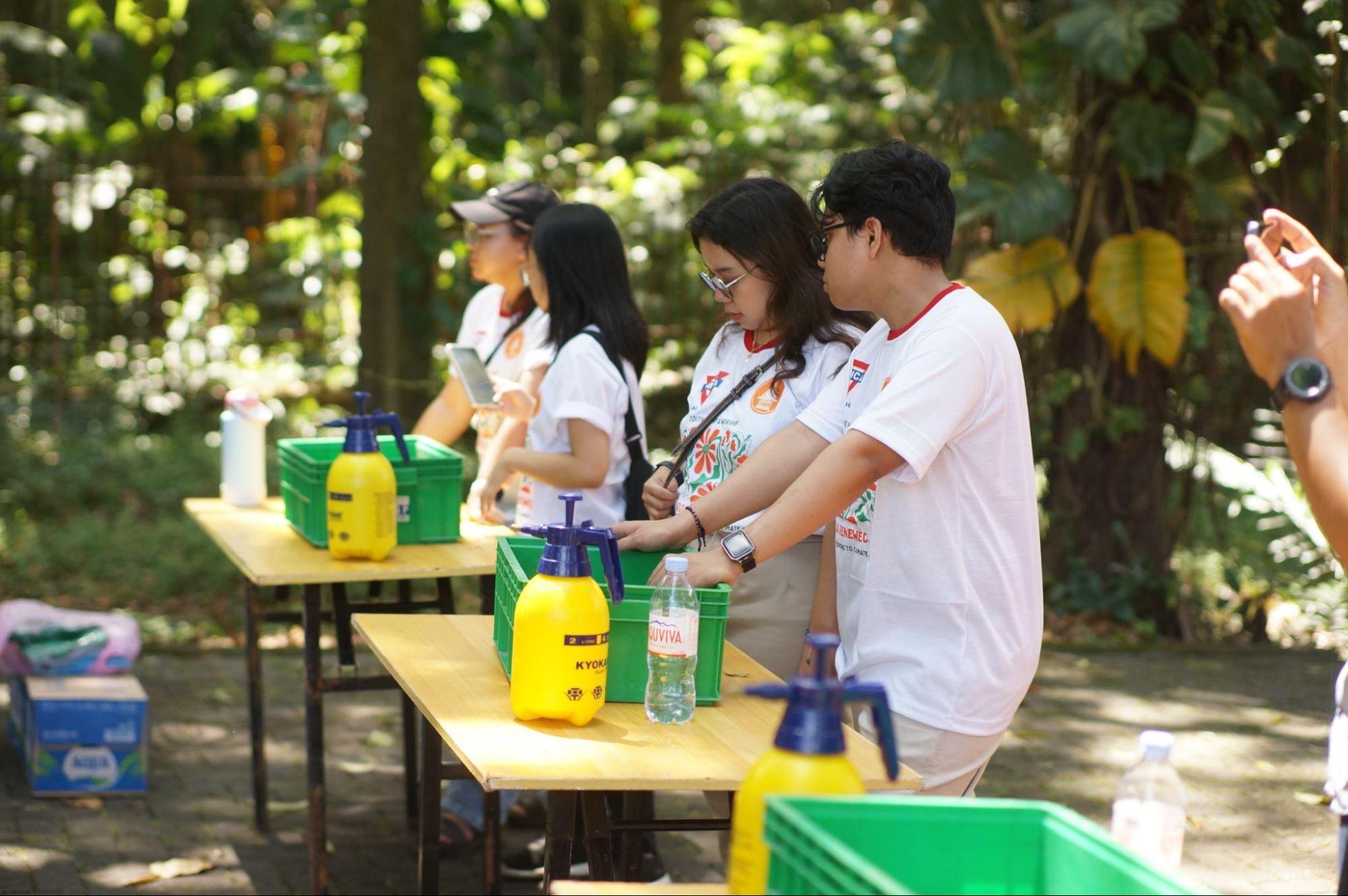
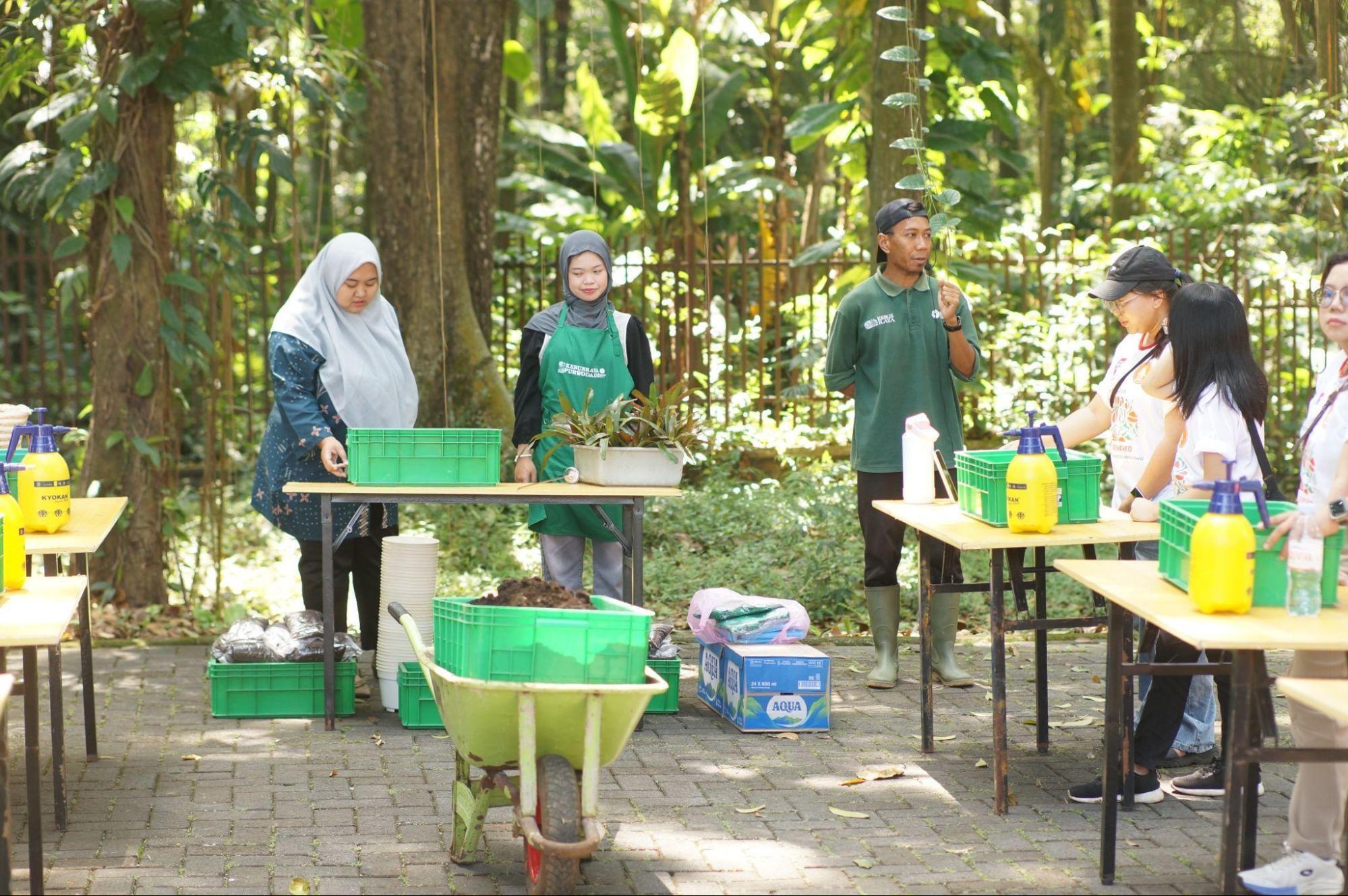
In addition to composting, participants also practiced planting bromeliad plants using the organic compost they had learned about. This activity not only reinforced their understanding but also provided a practical application of environmentally friendly practices.
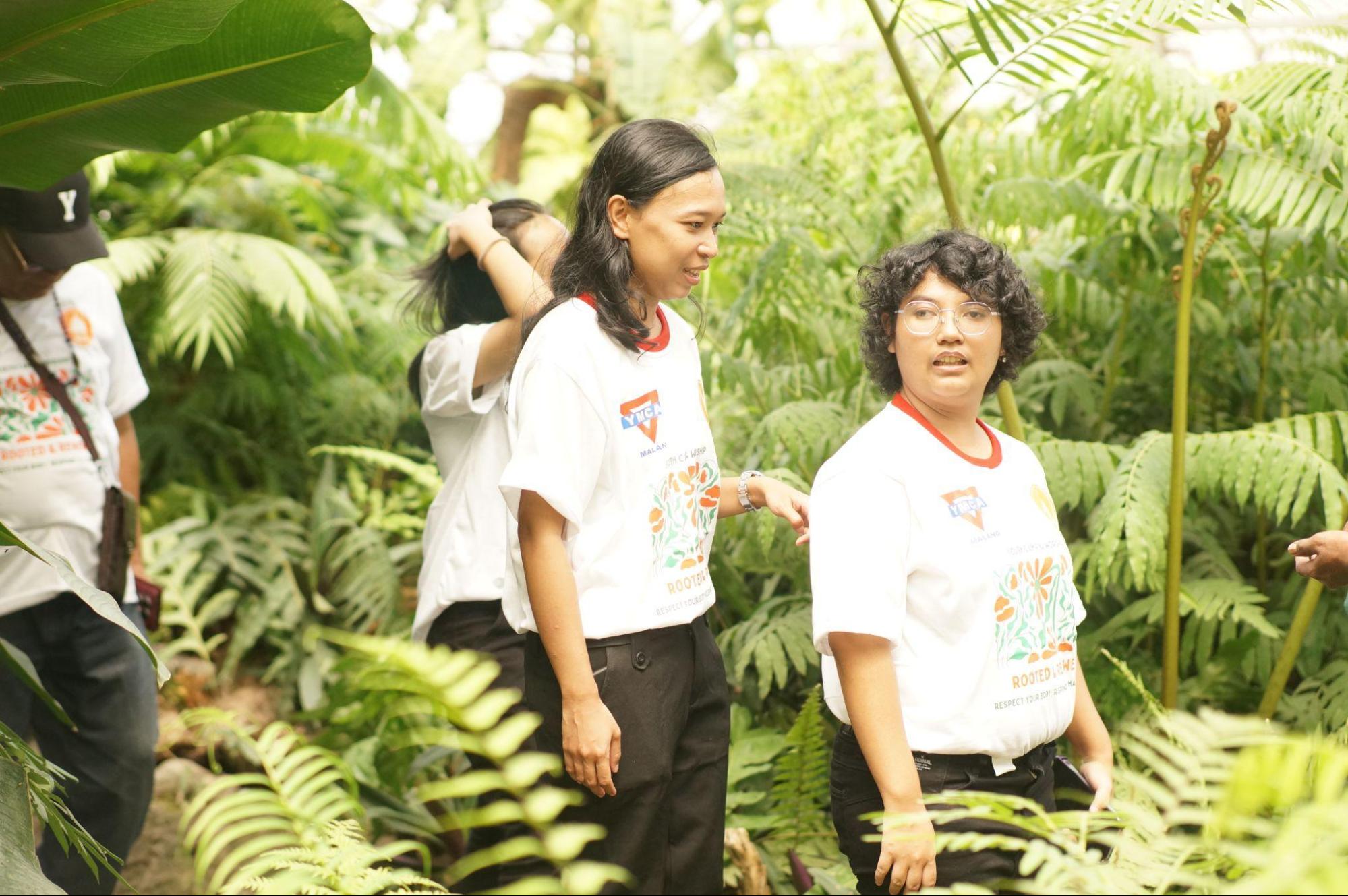
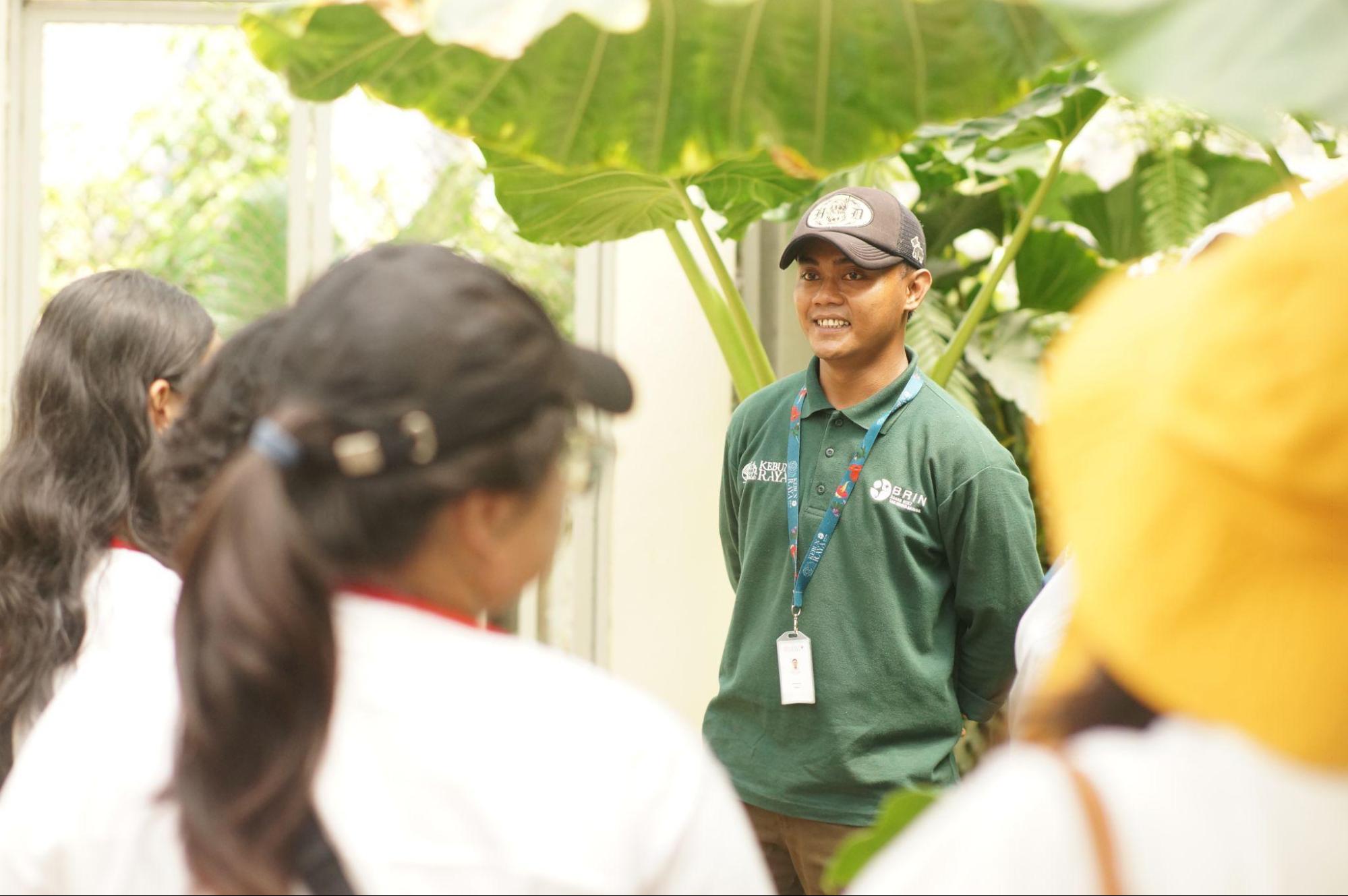
Throughout the visit, participants observed and explored a wide variety of flora, including both local species and those that have adapted and evolved within the botanical garden. This direct interaction with biodiversity enriched their appreciation of nature’s complexity and further strengthened their awareness of the need for environmental stewardship.