





THE ANCHOR OF TRANSFORMATION: Empowering Communities Through YMCA Manila’s Strategic Vision for Service


Last Updated (Friday, 05 June 2026 20:07)
YMCA Manila 2026 Summer Rural Workcamp Brings Education, Health, and Community Development to Barangay Latag
 Over the course of two months, the organization mounted a powerful string of programs aligned with its core pillars of Meaningful Work, Just World, Sustainable Planet, and Community Wellbeing. Stretching from the upland areas of Nasugbu, Batangas, to the training halls and courts of Metro Manila, each initiative targeted a distinct grassroots need. Together, they pointed toward the same overarching goal of creating a service framework that is practical, participatory, and wide in reach.
The busiest stretch of the period came in Barangay Latag, Nasugbu, Batangas, where YMCA Manila ran its 2026 Summer Rural Workcamp from April 20 to May 5. The two-week immersion, which involved four staff members and eight volunteers, was built around a simple but demanding methodology that involved living in the community, paying close attention, and working across sectors rather than just one.
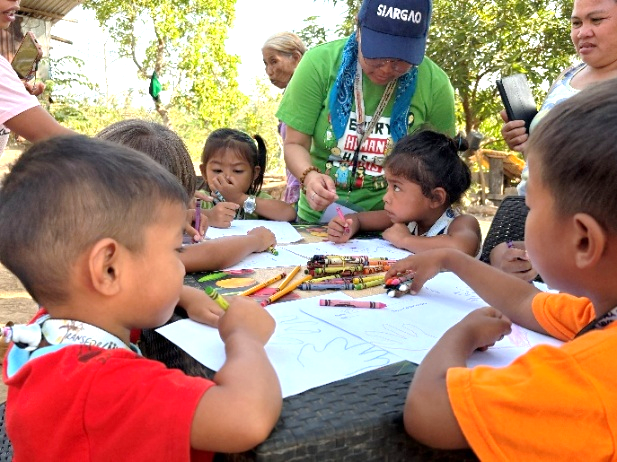
That approach gave the workcamp an unusually broad footprint. Youth-focused events came first, with the Youth Organization Committee leading team-building sessions, a basketball clinic, mini basketball games, a one-day trophy league, and a Color Run that drew children and teenagers into evening activities. The Education Committee followed through with “Y Can Read, Y Can Understand 2.0 (Edukalusugan (Education for Wellness)),” deploying workcampers both to upland Sitio Bernanda and to the lower grounds of Barangay Latag for literacy and learning support sessions.
Other committees moved into equally practical work. The Home ManagementCommittee conducted livelihood sessions for adults and young adults, centering on the preparation and marketing of Chicken Pastil and Mango Jam, and tied these activities to feeding sessions for children. The Engineering Committee installed solar streetlights, put up signboards, and repaired damaged structures in the barangay, small-scale works, but the kind with immediate effect on safety, mobility, and visibility.
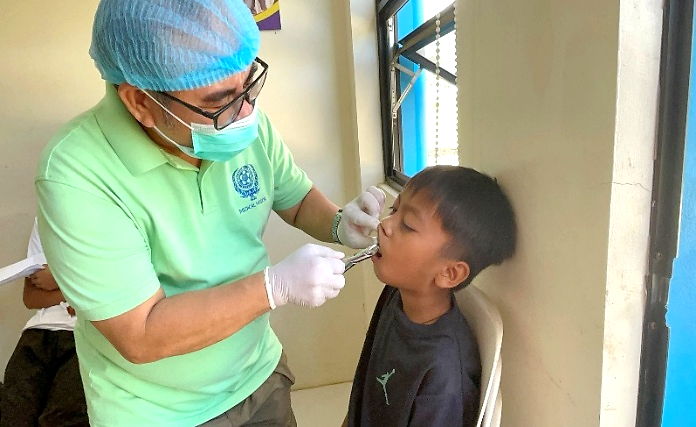
The Health and Sanitation Committee rounded out the camp with community Zumba sessions and a medical and dental mission that offered free consultations, basic medicines, and dental extractions. In an area where access to health services can be constrained by distance and cost, the mission stood out as one of the camp’s most concrete interventions.
What made the workcamp notable was not just the number of activities packed into two weeks, but the coordination behind them. Organizers had to adjust to terrain, scheduling, and accessibility concerns throughout the immersion, while still keeping participation steady among young people and adults in the community.
“At first, I didn’t really know what to expect and thought it would only be physical work, but it turned into a meaningful journey of service and connection," reflected volunteer Ron Dexter Ramoso of the Cagayan de Oro YMCA, emphasizing that the fieldwork carried a personal weight far beyond the basic program design. "Even with exhaustion from long walks and activities, I felt fulfilled because everything we did had purpose. In the end, I am leaving with lasting memories, new friendships, and a heart full of gratitude for the experience.”
By: Ma. Ellaiza Tiu
Board of Director
College Student Y Council (2026)
Polytechnic University of the Philippines
YMCA of Manila
Project 3K: Kalingasan Promotes Environmental Awareness and Community Action in Barangay Latag
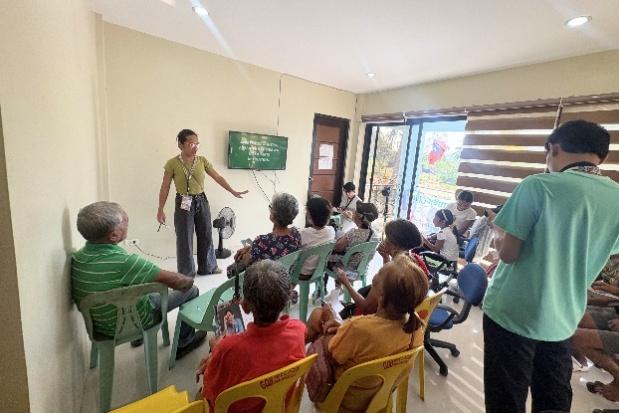 Barangay Latag figured again in YMCA Manila’s April calendar through Project 3K: Kalingasan (Kaagapay sa Kalinga ng Kalikasan), an environmental initiative, held on April 25 as part of the group’s Earth Day activities. The seminar on climate change awareness drew 12 participants, including youth and senior citizens. It addressed a community issue that often receives broad rhetoric but uneven local action, which is having an environmental responsibility at the barangay level.
Organizers said the project was intended especially for adults who influence day-to-day practices related to waste management and environmental care. The session was paired with a clean-up drive and tree planting activity, turning the event into both a discussion space and a direct action effort. Attendance was initially limited, but volunteers and organizers actively encouraged more residents to join.
Mx. Brenda M. Cagas, chair of the Health and Sanitation Committee, summed up the objective in practical terms, continuing the program, she said, means “giving them knowledge and helping them to save our nature and earth.”
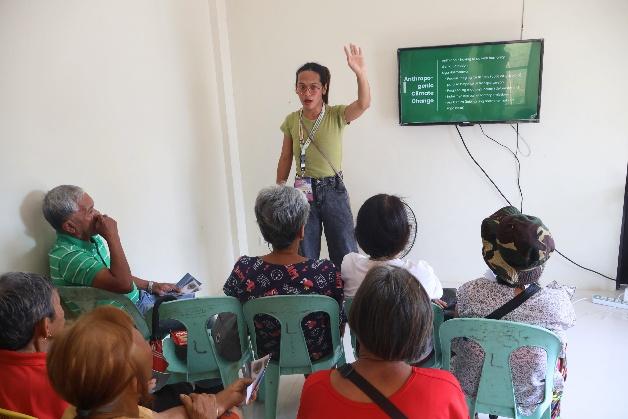 Beyond the seminar, the initiative also encouraged participants to take part in simple but meaningful environmental practices within their own households and surroundings. Emphasis was placed on the importance of consistency in waste management, proper segregation, and community cleanliness, highlighting how small daily actions contribute to broader environmental sustainability in the barangay.
Through the combined efforts of discussion and hands-on activities, Project 3K: Kalingasan created a space where awareness was directly translated into action. Participants were able to experience firsthand how environmental responsibility can be practiced collectively, reinforcing the importance of shared commitment in maintaining a cleaner and more sustainable community for present and future generations.
By: Ma. Ellaiza Tiu
Board of Director
College Student Y Council (2026)
Polytechnic University of the Philippines
YMCA of Manila
YMCA Manila Holds EMPOWER Part 5 — Seminar on OSAEC Awareness and Family Wellbeing
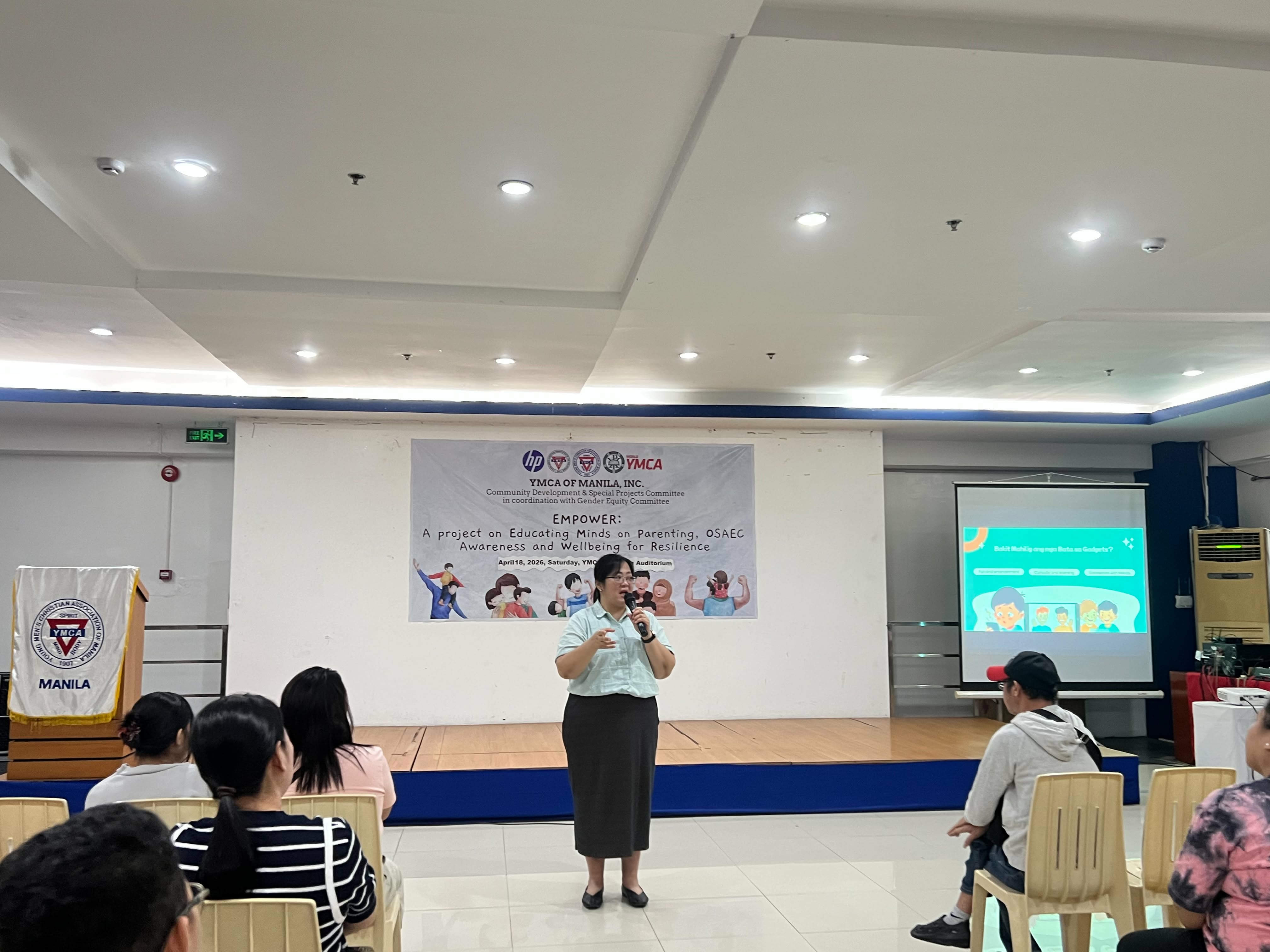 In Manila, a different but equally urgent issue took center stage on April 18, when YMCA Manila convened 41 parents at the Blue Hall Auditorium for EMPOWER Part 5, a seminar on Online Sexual Abuse and Exploitation of Children (OSAEC) Awareness and Wellbeing for Resilience.
The session focused on child protection in digital spaces, particularly the growing risks of online sexual abuse and exploitation of children. Through discussions, awareness talks, and sharing of safety practices, the seminar walked parents through children’s rights, digital risks, reporting mechanisms, and strategies for guiding children’s online behavior. The emphasis was not only on prevention, but on helping families build more informed and communicative home environments.
Beyond the technical and informational aspects of the seminar, EMPOWER Part 5 also underscored the importance of active parental engagement in children’s digital lives. Parents were encouraged to recognize early signs of online risk and to establish open communication channels with their children, allowing concerns and experiences in digital spaces to be shared without fear or hesitation.
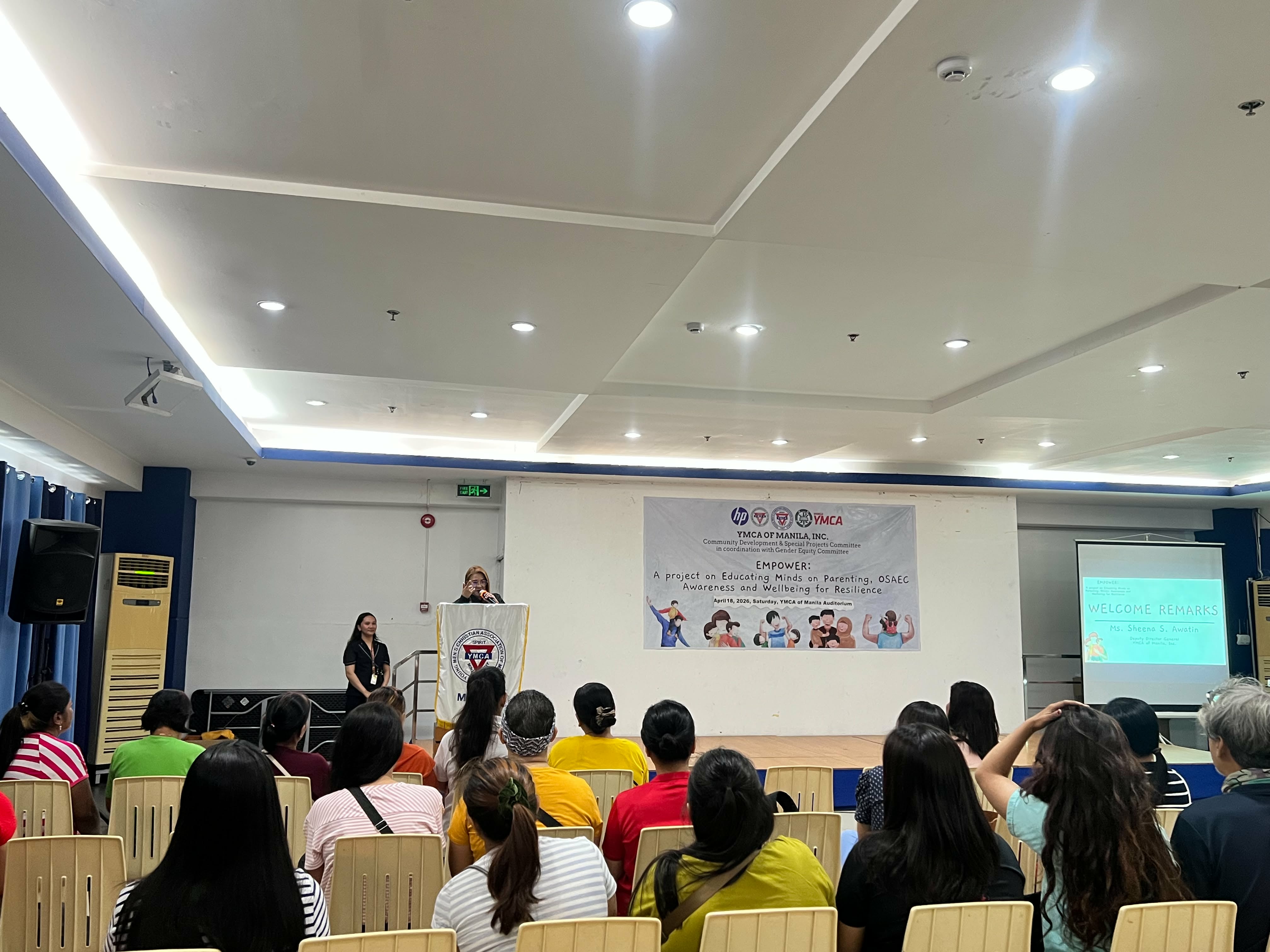 The discussion also highlighted the evolving nature of online platforms and how these continue to present both opportunities and risks for young users. Facilitators emphasized that while technology plays a vital role in education and connectivity, it also requires responsible guidance from adults to ensure that children are able to navigate online environments safely and consciously.
By the end of the session, participants were reminded that child protection in the digital age is a shared responsibility that extends beyond individual households. The seminar reinforced the idea that awareness, vigilance, and cooperation between parents, educators, and community institutions are essential in building safer online spaces for children, especially as digital access continues to expand.
By: Ma. Ellaiza Tiu
Board of Director
College Student Y Council (2026)
Polytechnic University of the Philippines
YMCA of Manila
Manila YMCA Scholars Celebrate Year-End Culminating Activity
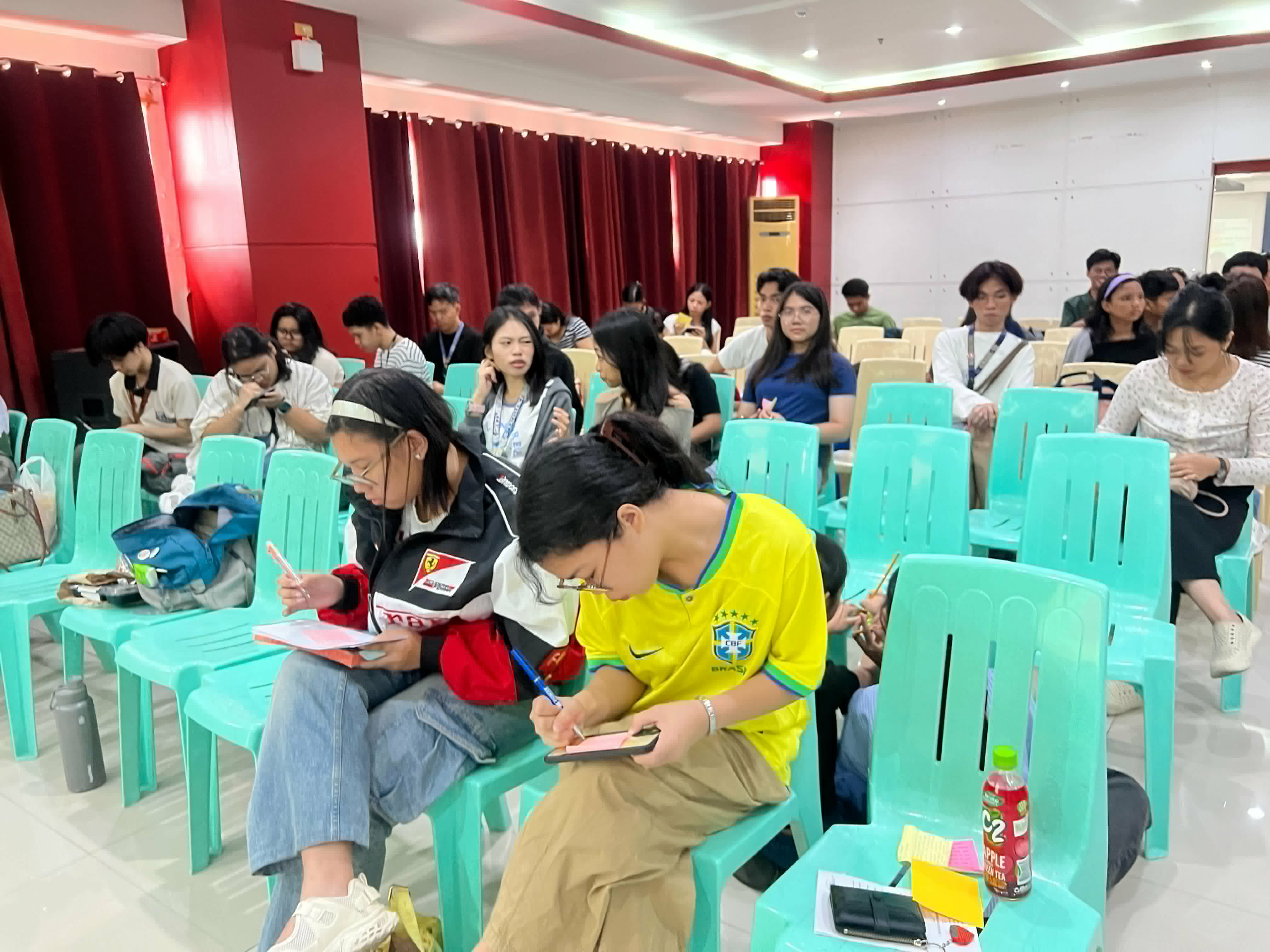 That same day, the Blue Hall also hosted the Culminating Activity of the Manila YMCA Scholars’ Organization for School Year 2025–2026, gathering 41 elementary scholars, 18 high school and senior high school scholars, and 39 college scholars.
The year-end activity functioned as both a recognition program and a closing assembly. Continuing and graduating scholars were acknowledged, selected graduating college scholars delivered messages, and Outstanding Volunteers received certificates for their service. The event was organized by YMCA Manila staff together with scholars’ officers, and carried the expected mix of gratitude, transition, and reflection common to end-of-year gatherings. Though for some participants, the impact ran deeper than ceremony.
One of them was Ms. Jade Mahayag, a fourth-year student from the Technological University of the Philippines–Manila and a scholar under the program.
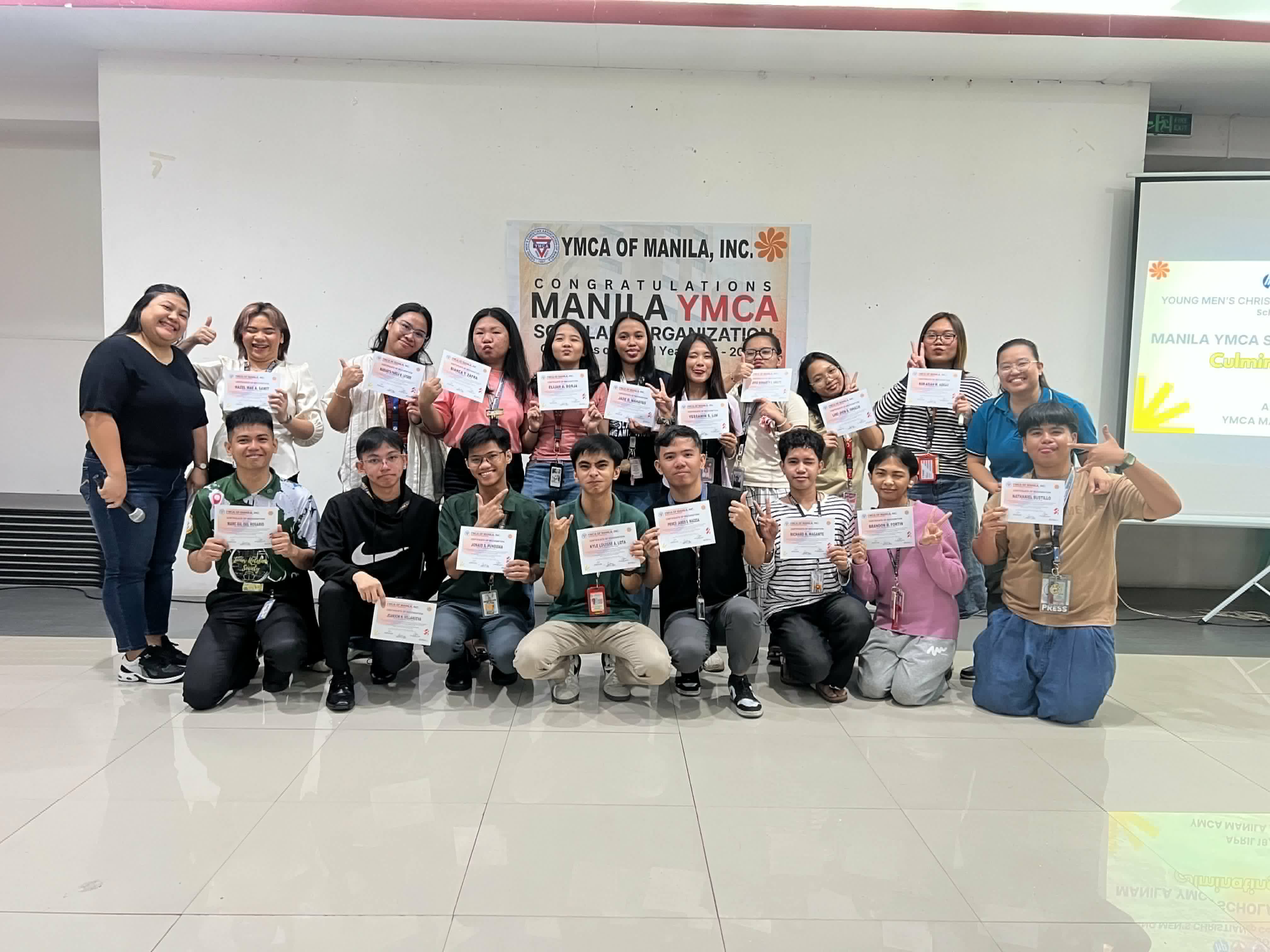 “Being a scholar of the Manila YMCA Scholarship Program is more than just receiving financial support for me—it has become a community that shaped who I am today,” Mahayag shared. “I went through moments of doubt, pressure, and uncertainty, especially while balancing my studies and my responsibilities as an SK Kagawad in Baseco... but the YMCA community became one of my strongest sources of support. I deeply see the YMCA community as a ‘village’ that helped raise me.”
For many scholars, the presence of YMCA Manila staff members who have guided them throughout the year added a meaningful layer to the experience. Conversations during the event reflected mutual appreciation, as both scholars and staff acknowledged the shared effort involved in navigating the academic year together.
By the end of the activity, the gathering had become more than just a closing ceremony. It served as a reminder of the relationships built over time, reinforcing the idea that the YMCA scholarship program is not only centered on academic development but also on fostering a supportive and connected community among its members.
By: Ma. Ellaiza Tiu
Board of Director
College Student Y Council (2026)
Polytechnic University of the Philippines
YMCA of Manila
Ready, Set, Serve: YMCA Manila Hosts Introduction to Pickleball Clinic for Manila Bay Region Chapters
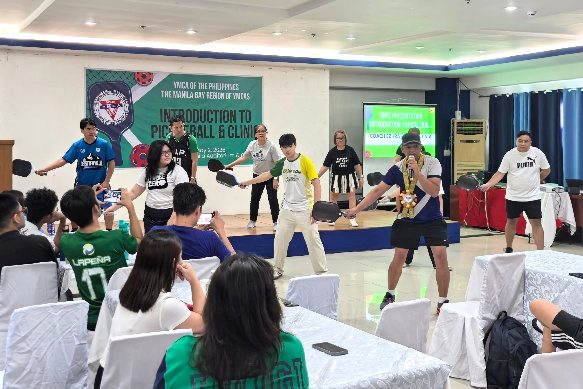 On May 2, YMCA Manila also served as the host venue for the Introduction to Pickleball and Clinic, which brought together staff, volunteers, and members from YMCA of Makati, YMCA of Manila, YMCA of Manila Downtown, and YMCA of Quezon City.
Organized by the YMCA of the Philippines through the Manila Bay Region, the activity introduced participants to pickleball through an orientation and on-court clinic led by Coach Ezhra Louie Gapuz Bautista, head coach of the YMCA Baguio Pickle Ball Club. Participants were briefed on the rules, techniques, and flow of the game before joining simulations and practical drills.
For many attendees, the hands-on nature of the clinic made the introduction to pickleball both engaging and accessible. Beginners were guided through fundamental movements and gameplay mechanics, allowing them to gain confidence as they progressed from orientation to actual court practice. The step-by-step approach ensured that even those unfamiliar with racket sports could actively participate and enjoy the experience.
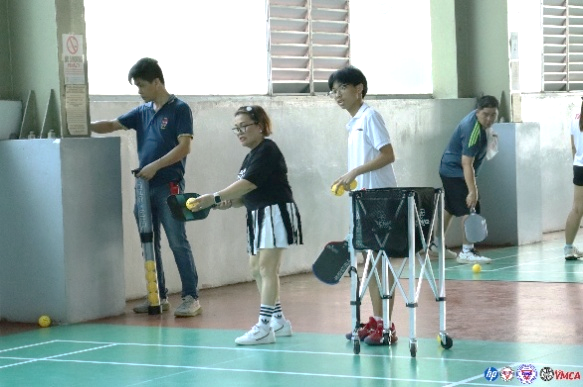 The presence of experienced coaches and facilitators added structure and depth to the learning process. Coach Ezhra Louie Gapuz Bautista provided practical insights on technique and gameplay strategy, ensuring that participants not only understood the rules but also appreciated the sport’s pace, coordination, and inclusivity. His guidance helped bridge the gap between theory and practice during the on-court sessions.
The program’s immediate objective was straightforward; it’s to position pickleball as an accessible and inclusive sport for local YMCA chapters. But it also produced a tangible follow-through. Engr. Lito Quines, president of the Professional Pickleball Association (PPA) of the Philippines, provided each local chapter with a starter pack containing paddles, balls, and nets to support future implementation.
If the pickleball clinic focused on introducing a new sport, another May event focused on reopening professional pathways.
By: Ma. Ellaiza Tiu
Board of Director
College Student Y Council (2026)
Polytechnic University of the Philippines
YMCA of Manila
New Skills, New Paths: YMCA Manila Nanay’s in IT Batch 5 Graduates
 On May 8, YMCA Manila held the Graduation Ceremony of Nanays in IT Batch 5 at the 10th Floor CVC MPH, Uptown 2, BGC, recognizing 68 learners who completed the Information Technology training program. The initiative is designed to equip mothers with basic computer literacy and digital technology skills that can be applied to daily life, personal development, and possible livelihood opportunities.
The ceremony included an opening program, messages from facilitators and guests, and the awarding of certificates to program completers. But the heart of the event was in what the training represented for participants, particularly those returning to structured learning after years spent prioritizing family responsibilities.
Graduate Ana Maria Musni framed the experience not as a simple course completion, but as a re-entry into a space she once thought had moved on without her.
“This program wasn’t just about learning Python, mastering Software Quality Assurance, or understanding the SDLC. It was about reclaiming an identity,” Musni said. “We are no longer just ‘stay-at-home moms.’ We are upgraded. We are updated. And we are ready.”
Beyond the formal ceremony, the event also became a space of shared reflection among participants who have undergone similar personal and professional transitions. Many learners expressed how the program helped them rebuild confidence in using digital tools, especially in navigating basic computer applications and understanding modern workplace technologies that once felt out of reach.
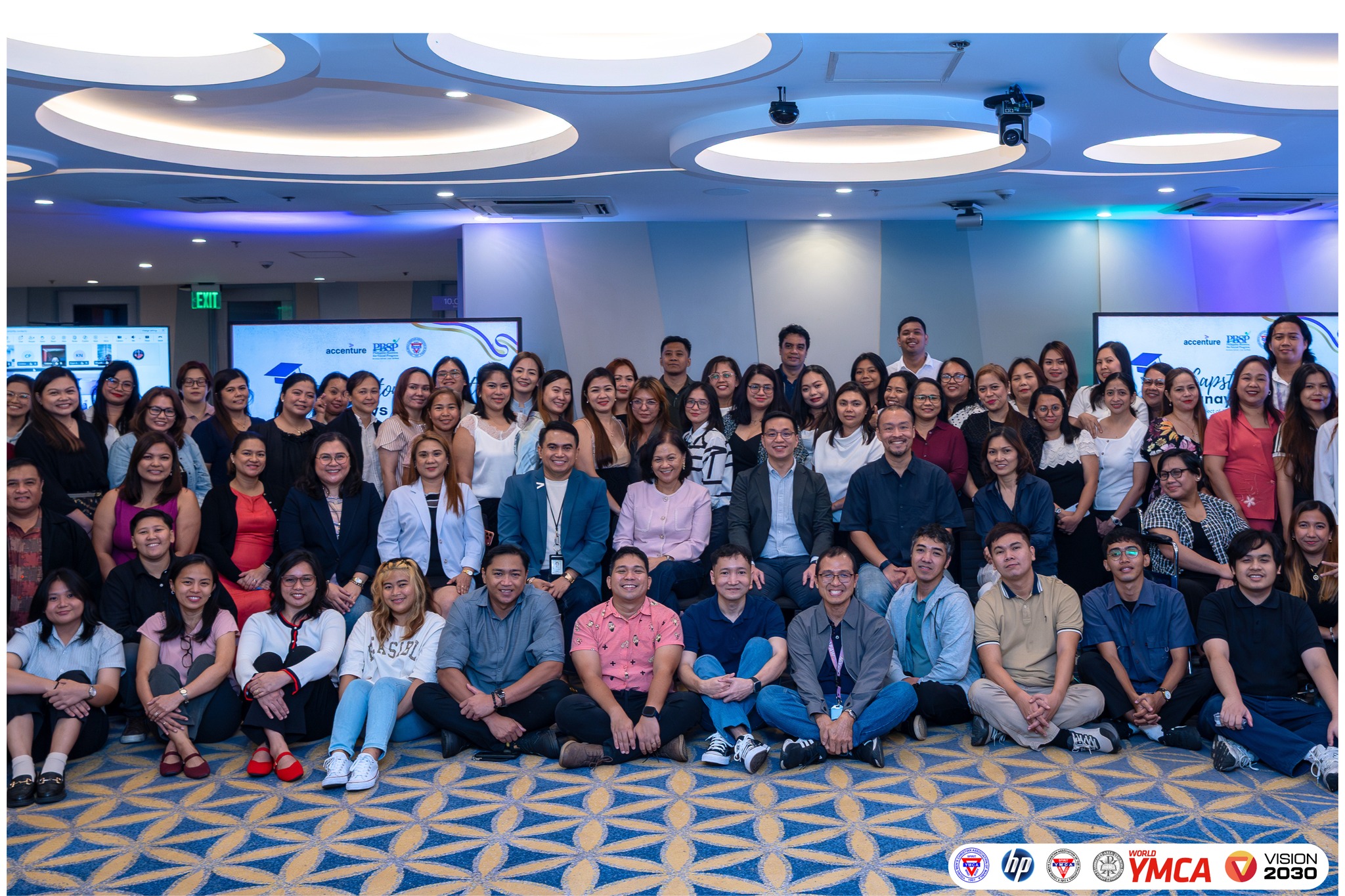 Facilitators also highlighted the importance of lifelong learning, particularly in an era where digital literacy continues to play a crucial role in both personal and professional development. The graduation served as a reminder that re-entering structured learning spaces is not defined by age or circumstance, but by willingness and determination to grow and adapt.
As the program concluded, the sense of achievement extended beyond certificates and formal recognition. For many participants, the experience marked a personal milestone of transformation—an affirmation that learning remains possible at any stage of life, and that new beginnings can emerge from spaces once thought to be closed.
By: Ma. Ellaiza Tiu
Board of Director
College Student Y Council (2026)
Polytechnic University of the Philippines
YMCA of Manila
Prompt, Plan, Teach: YMCA Manila Brings AI into Education
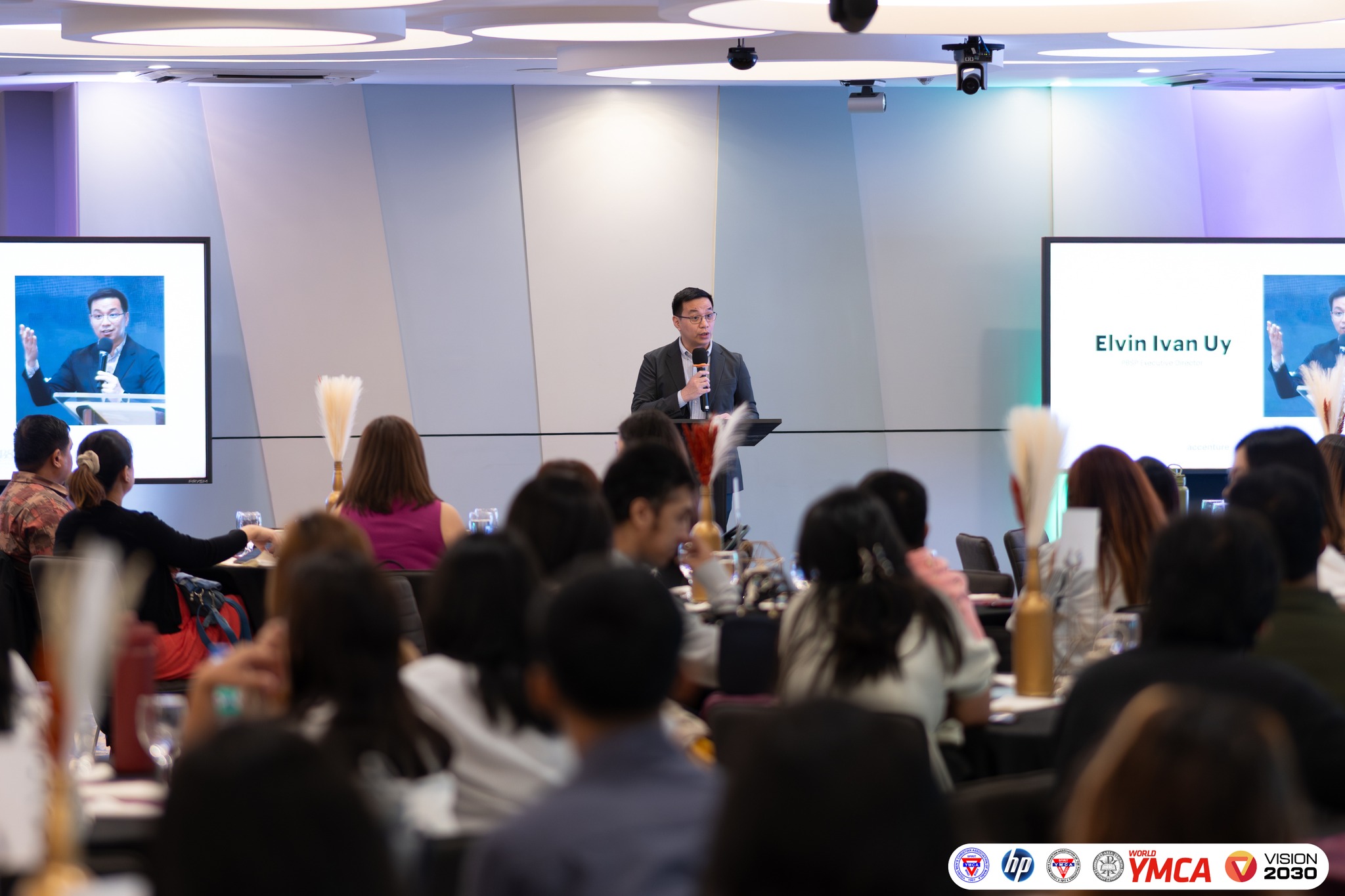
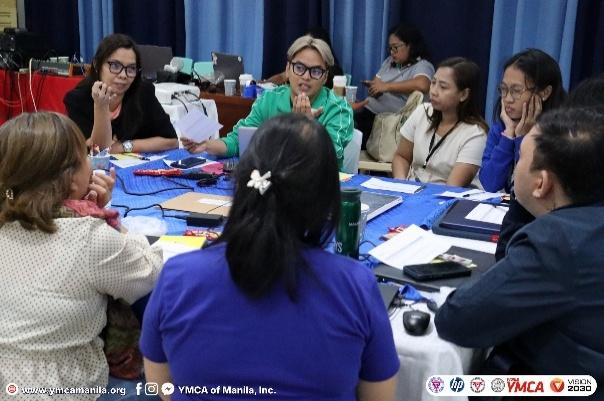 YMCA Manila’s education work during the period also extended to teachers through the three-day Teachers Training Program: GenAI for Smarter Classroom, held from April 28 to 30 at the YMCA Manila Blue Hall Auditorium.
The training was organized by YMCA of Manila in partnership with YMCA of the Philippines and Hewlett Packard (HP) under the HP ACCESS Project and was facilitated by Dr. Rannielle M. Navarro, Master Teacher III of the Schools Division Office of Legazpi City and an AI Certified Educator under HP, Microsoft, Google, Canva, Brisk, and Magic School AI. A total of 43 club advisers—38 from Y-Kids to Hi-Y Clubs and 5 private teachers—participated in the sessions.
U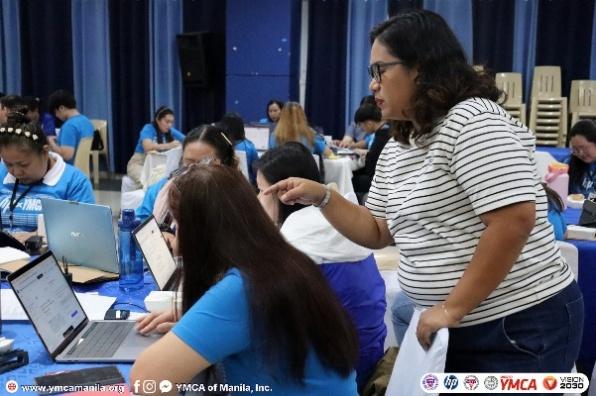 nlike shorter orientation-style seminars, the GenAI program was structured as a multi-module training that moved from theory to application. Participants went through sessions on the fundamentals of generative AI, prompt engineering, the use of ChatGPT, Gemini, and Copilot, AI-powered lesson planning with MagicSchool, Canva + AI, Brisk Teaching, and the ethical boundaries of AI use in the classroom.
The framing was clear from the outset that artificial intelligence was presented not as a substitute for teaching, but as a tool that teachers need to understand, test, and govern responsibly. For participant Ervin C. Salonga, Hi-Y Coordinator of Ignacio Villamor High School, that balance was one of the training’s strongest points.
“This seminar didn’t just give me tools; it gave me confidence and conviction to embrace innovation with purpose,” Salonga noted. “The future of education is not about machines taking over, but about teachers leading with creativity, wisdom, and heart.”
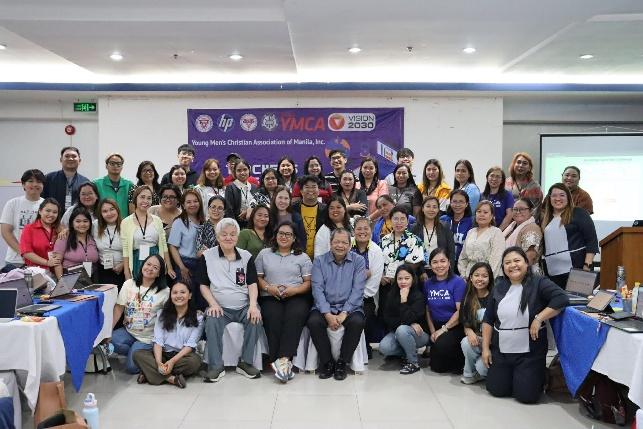 The sessions also fostered collaborative learning among educator s from different school backgrounds and YMCA club affiliations. Through group discussions and shared outputs, participants exchanged insights on how AI can be adapted to suit various teaching contexts, particularly in managing classroom demands and enhancing student participation.
By the end of the three-day program, participants expressed increased confidence in incorporating AI tools into their teaching practice. The training concluded with a shared recognition that while technology continues to evolve rapidly, the role of educators remains central in guiding meaningful, responsible, and human-centered learning experiences in the classroom.
By: Ma. Ellaiza Tiu
Board of Director
College Student Y Council (2026)
Polytechnic University of the Philippines
YMCA of Manila
YMCA Manila Continues Momentum with Ongoing and Upcoming Community Programs
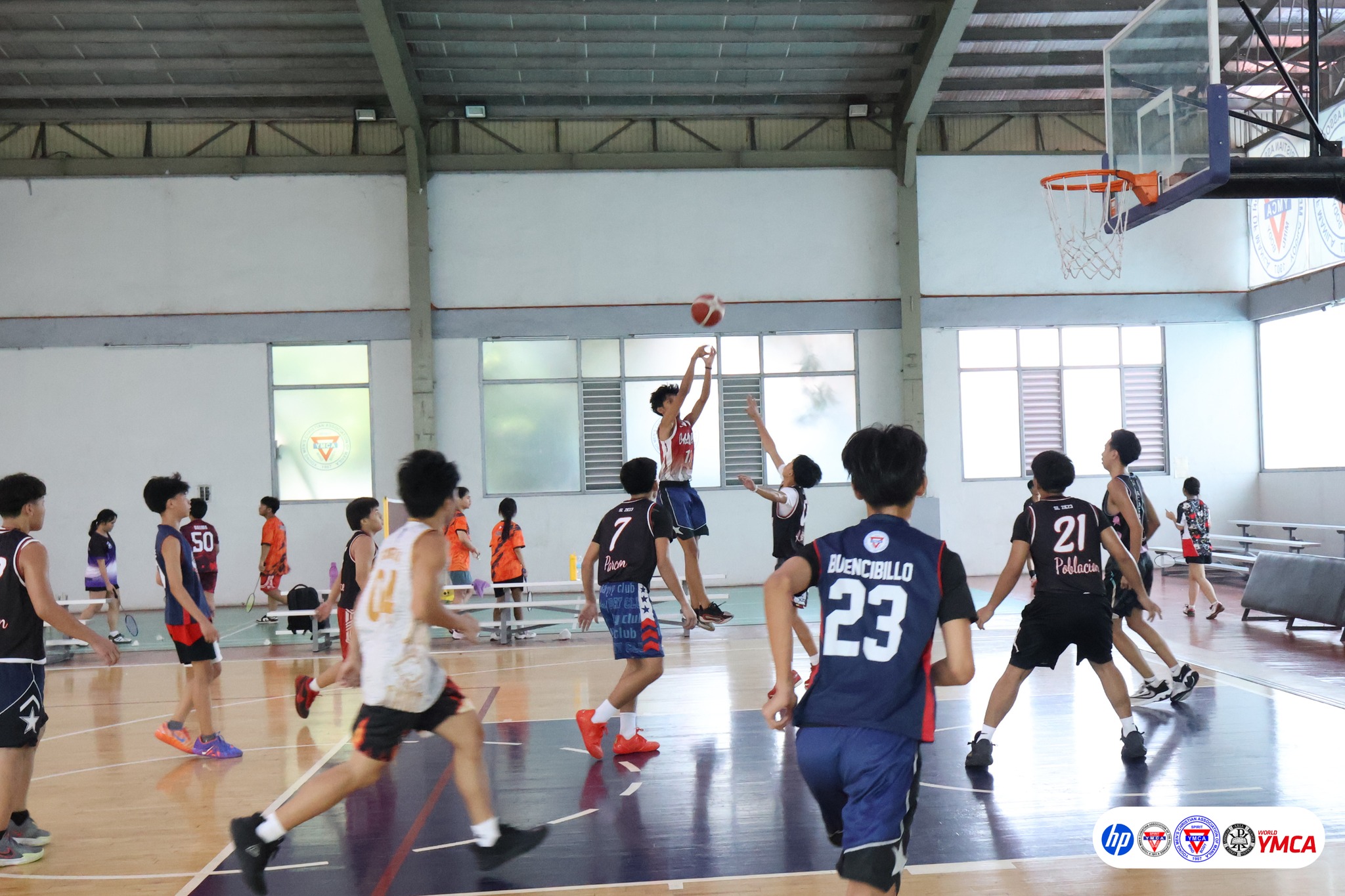 As YMCA Manila concludes a highly active April–May period, the organization’s calendar continues to reflect sustained momentum moving into the next phase of its 2026 programming. Beyond completed initiatives, several ongoing and upcoming activities highlight the continuity of engagement across youth development, internal wellness, and community participation. These programs underscore how YMCA Manila’s work extends beyond isolated events, forming a connected cycle of initiatives that build on one another as the year progresses.
Youth sports remained another visible thread in YMCA Manila’s April–May lineup. The YMCA Youth Basketball League, running from April 11 to May 31 at the YMCA Manila Basketball Court, has engaged 84 young participants in a continuing series of scheduled games aimed at promoting physical fitness, discipline, teamwork, and sportsmanship. The league is set to close on May 31 with an awarding ceremony and closing program.
The April–May stretch is set to roll directly into another organizational activity, with the Manila YMCA Directors & Employee Association (MYDEA) scheduled to open its Sportsfest on June 1 at the YMCA Manila Court through an opening program and Basketball Game 1. The event will bring employees and directors into a separate but related dimension of YMCA community life—internal wellness, camaraderie, and team-based participation.
Seen individually, the activities of the past two months vary widely in form and audience. One addressed healthcare access in a rural barangay. Another trained teacher in AI-assisted instruction. Others focused on sports, parent education, environmental action, scholarship, and women’s digital empowerment.
Taken together, however, they show a clearer pattern that YMCA Manila is not limiting its work to a single program lane. Its recent calendar suggests an organization trying to meet communities where they are on the court, in the classroom, in the barangay, online, and at home, and responding not with one template, but with multiple, targeted forms of engagement.
For an organization often identified with foundational youth development, the April–May lineup made a broader point. The communities surrounding the organization’s mission are never confined to a single demographic or a static set of needs, and the institution’s current trajectory directly reflects that reality. This serves as the clearest thread running through all operations as the year progresses. It represents a deliberate, continuous effort to remain deeply present wherever learning, support, and life-changing opportunities still need to be built.
By: Ma. Ellaiza Tiu
Board of Director
College Student Y Council (2026)
Polytechnic University of the Philippines
YMCA of Manila