





From Conversation to Commitment: A Journey Towards Gender Justice – A reflection Toroshi Areng


Last Updated (Friday, 23 October 2026 16:00)
# From Conversation to Commitment: A Journey Towards Gender Justice
The Regional Gender Justice Program 2026 held in Chiang Mai, Thailand, brought together people from different countries, cultures, generations and social backgrounds to create a shared space for dialogue, learning and reflection on gender justice and climate justice.
Far more than a series of discussions, the program provided an opportunity to listen to stories from different societies and communities and to understand how gender inequality manifests in various social, cultural, economic and community contexts.
One of the key lessons from the discussions was that gender inequality cannot be understood through a single experience or perspective. In some societies, women continue to face restrictions on their freedom of movement and their ability to make important decisions about their own lives. In other contexts, women may have access to employment and earn an income, yet lack control over how that income is used.
These realities raise an important question: does earning an income automatically mean that a woman is economically empowered?
The discussions highlighted that true economic empowerment goes beyond employment or income generation. It also includes control over one's income, freedom of movement, the ability to make personal and family decisions, access to opportunities and the power to shape one's own future. Without these elements, employment alone cannot guarantee meaningful empowerment.
The program also highlighted continuing inequalities in professional and social spaces. In many sectors, women remain underrepresented in leadership and decision-making positions. Even when women possess the necessary qualifications, skills and experience, systemic barriers may continue to limit their participation, recognition and advancement.
Gender justice, therefore, extends far beyond access to education and employment. It requires equal opportunities, meaningful participation, recognition, leadership and an equal voice in decisions that affect individuals, families, communities and society as a whole.
When Gender Justice Meets Climate Justice
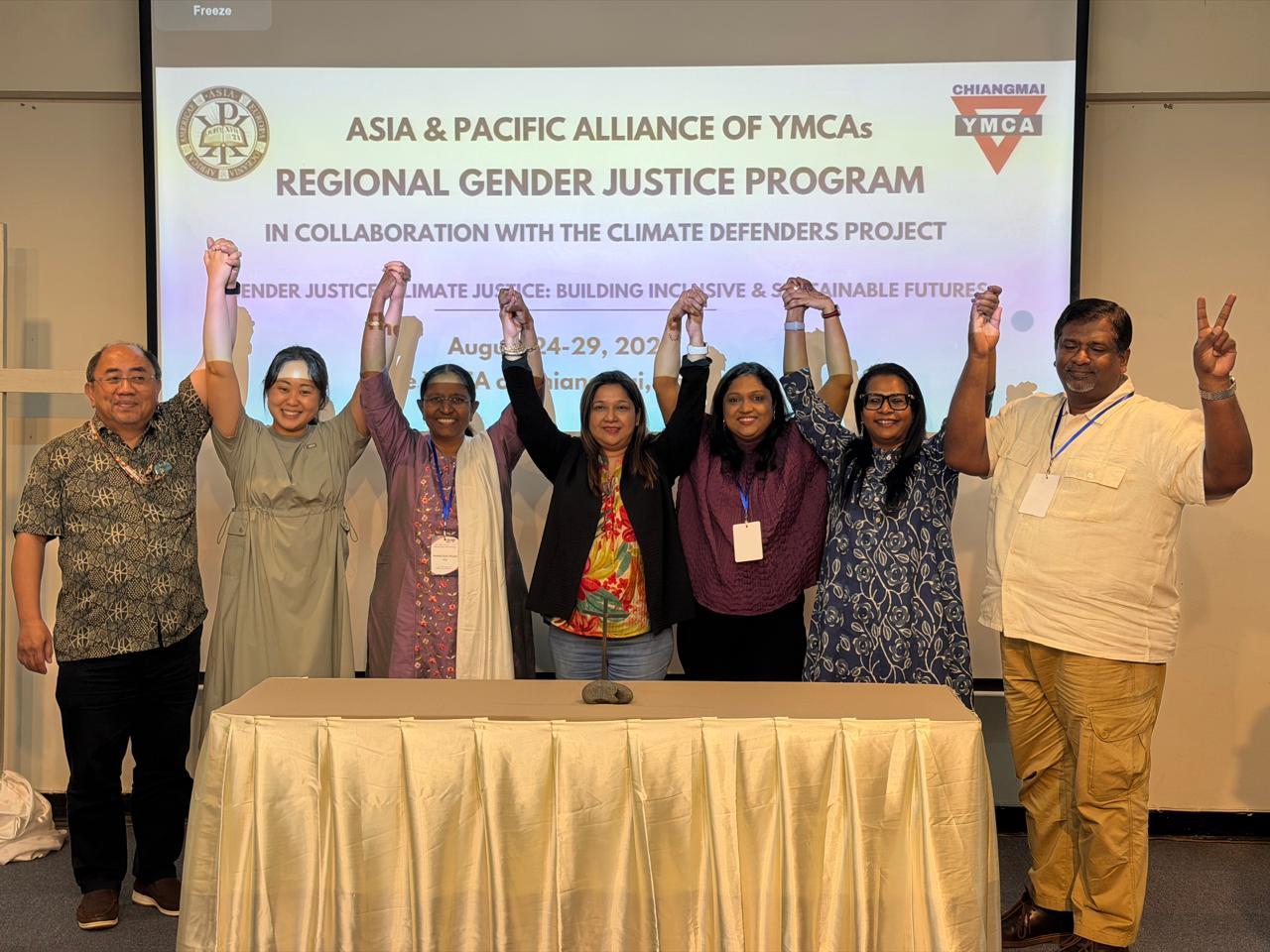
Climate justice was another important dimension of the program. Discussions highlighted how climate change affects communities differently, and how women, children, young people, Indigenous communities and other marginalized groups can face greater risks in times of environmental and social crisis.
Across different countries and communities, participants shared experiences of environmental degradation, displacement, poverty, insecurity, loss of livelihoods and other climate-related challenges. Although the contexts varied, many of the concerns were interconnected.
These exchanges demonstrated that gender justice and climate justice cannot be addressed in isolation. Climate change can intensify existing social and economic inequalities, placing additional pressure on communities and groups that are already marginalized.
Women, young people, Indigenous communities and other marginalized groups should therefore not be viewed only as vulnerable populations affected by climate change. They are also important contributors to solutions and must be given meaningful opportunities to participate as leaders, advocates and decision-makers.
Learning Across Borders and Generations
The involvement of mentors and facilitators added another important dimension to the program. Their knowledge, practical experience and diverse perspectives encouraged participants to examine familiar issues from new angles.
The exchange of experiences also demonstrated the value of connecting local realities with broader regional and global perspectives. Challenges that appear local often have broader connections, while solutions developed in one community may provide useful ideas for another.
The program created a space where different generations could learn from one another. Experiences, ideas and perspectives were shared openly, fostering reflection and encouraging participants to think more deeply about the realities within their own communities.
At its heart, the program demonstrated that meaningful social change begins with understanding — comprehending different experiences, recognizing inequalities and creating space for voices that are often overlooked.
From Learning to Commitment
As the program drew to a close, attention shifted from learning and discussion toward practical action. The commitment-sharing session became an important opportunity for participants to identify steps that could be taken within their respective YMCAs, communities and countries.
The commitments reflected different local realities and interests. Some participants committed to organizing awareness-raising activities on gender justice and climate justice and sharing their learning with others. Others focused on plastic recycling, responsible waste management and environmental awareness.
Creative ideas were also shared, including initiatives that encourage tree planting by exchanging collected plastic waste for trees. Some participants committed to planting and caring for trees in their own communities while encouraging others to take similar action.
Although the commitments varied, they reflected a common understanding: meaningful change can begin with small, practical actions.
Awareness-raising, recycling, tree planting, environmental responsibility, inclusive leadership and community participation may begin as individual or local efforts. When these actions are connected and sustained, however, they can contribute to broader social and environmental change.
The commitment-sharing session also reinforced the idea that change does not always have to originate from a large organization, major project or international initiative. It can begin within a YMCA, a local community, a school, a workplace or even within a small group of people willing to take responsibility.
Sharing knowledge, creating awareness, supporting women's participation, encouraging young people to take leadership roles, promoting environmental responsibility and challenging unequal practices are all steps toward building more inclusive and sustainable communities.
From Commitment to Action
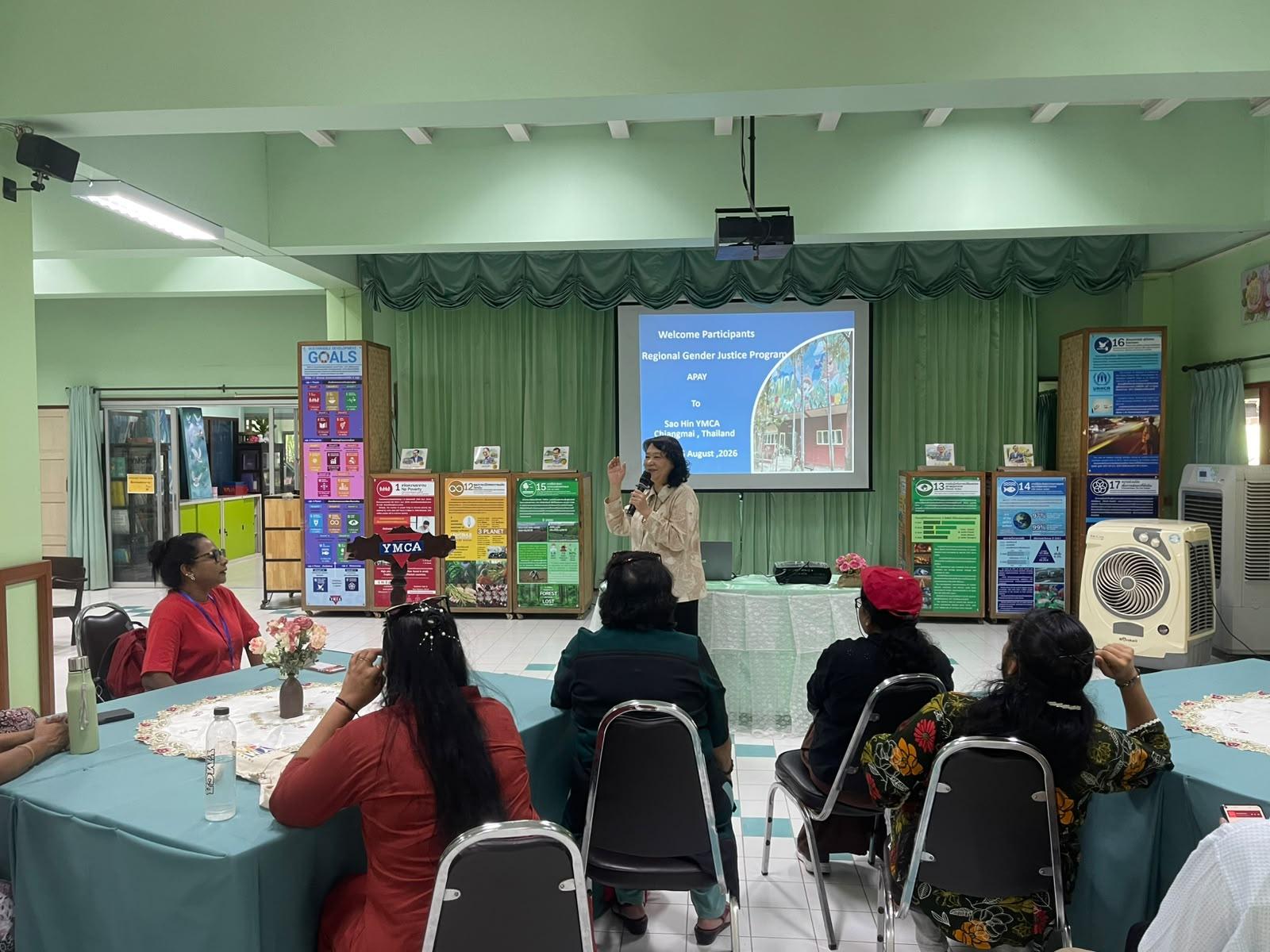
The Chiang Mai program highlighted an important principle: learning becomes meaningful only when it leads to action.
People came together from different countries, cultures, age groups and generations with different experiences and perspectives. Through dialogue and mutual learning, those differences became a source of strength rather than division.
The program also showed that gender justice is not the responsibility of one group alone. It requires the participation of women and men, young people and older generations, community organizations, institutions and individuals alike. Similarly, climate justice requires collective responsibility and meaningful participation from those most affected as well as those who have the capacity to influence change.
The conversations in Chiang Mai may have come to an end, but the ideas, commitments and responsibilities generated through the program can continue within communities and organizations across the region.
The journey towards gender justice is therefore not one that belongs to a single person or organization. It is a collective journey—one that requires listening to diverse voices, challenging inequality, creating opportunities for participation and working together toward a fairer and more sustainable future.
The message emerging from Chiang Mai is simple yet powerful:
**From conversation to commitment, and from commitment to action.**
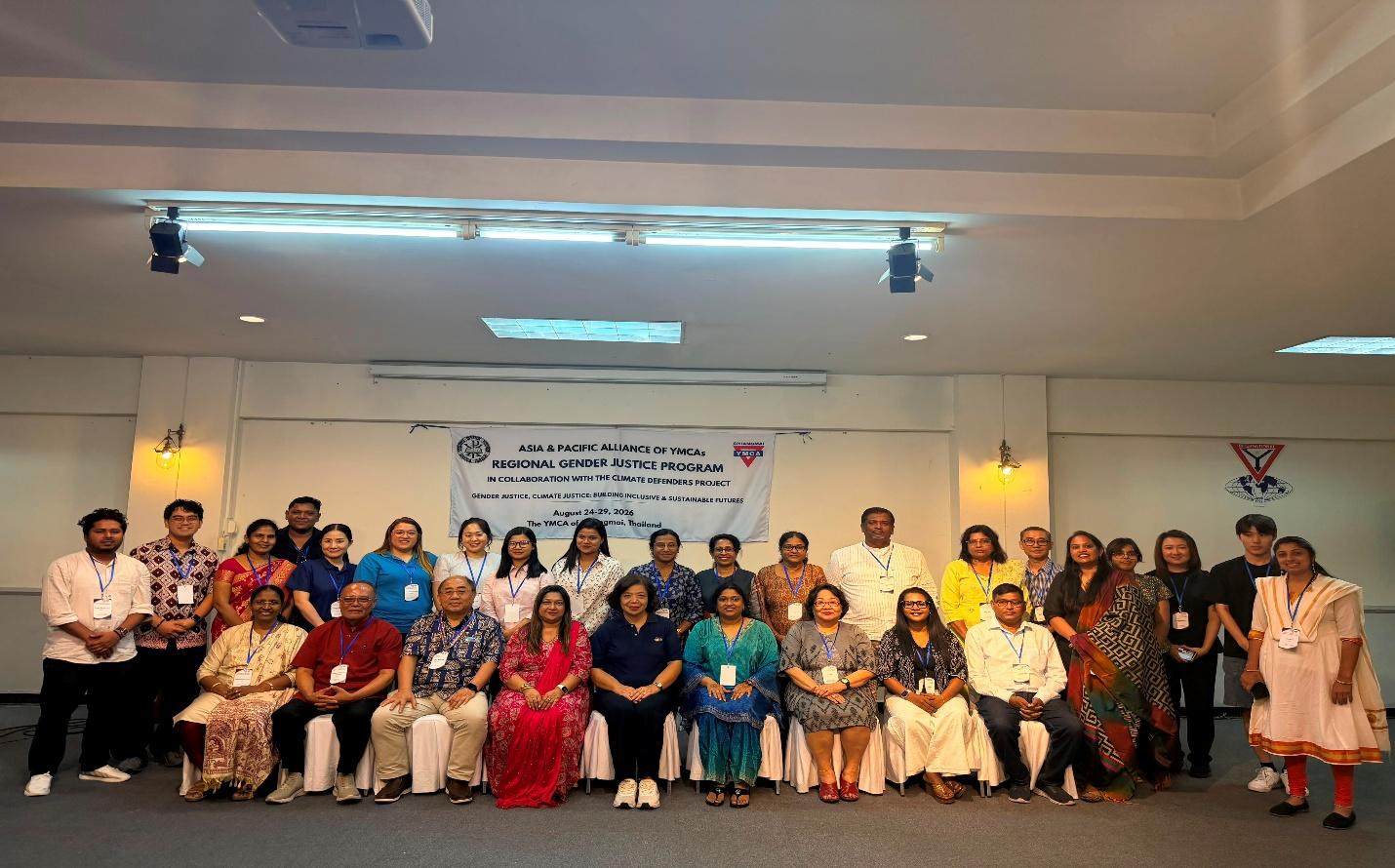
*Prepared By*
*By Toroshi Areng*
*Vice-President, National Council of YMCAs Bangladesh (NCYB)*