



Three-Day Climate Change Workshop Empowers Vijayawada Youth on Pollution Awareness


Last Updated (Friday, 23 October 2026 15:26)
Three-Day Climate Change Workshop Empowers Vijayawada Youth on Pollution Awareness
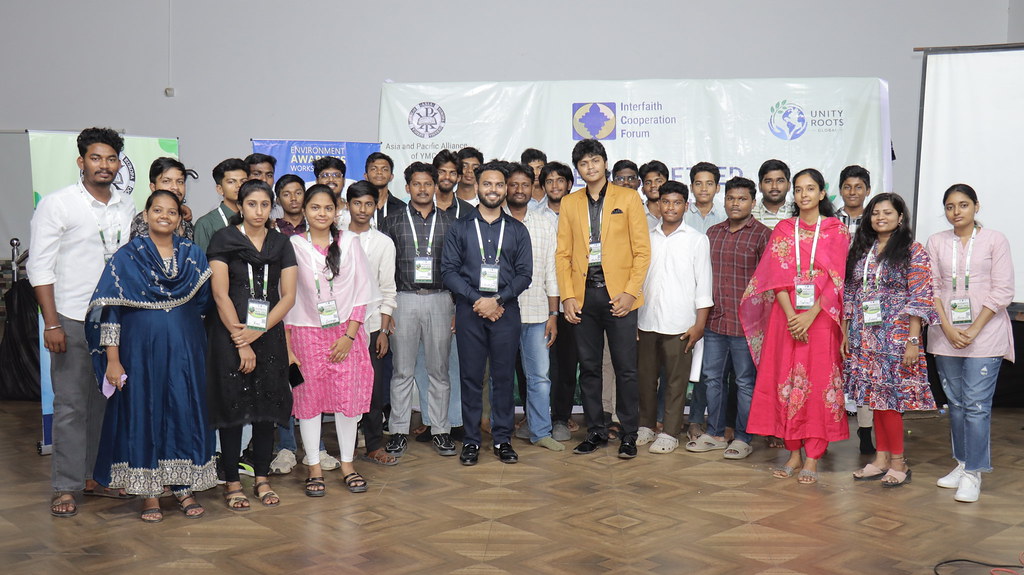
VIJAYAWADA, Andhra Pradesh — Twenty young participants from Vijayawada completed a three-day workshop on climate change held from May 21-23, 2026, aimed at building awareness about pollution, climate impacts, and community-based environmental action.
During the first day, participants explored the science of climate change, explaining how human activities such as fossil fuel burning, deforestation, and industrialization contribute to rising greenhouse gas levels and global temperatures. The session focused on major air pollutants, including particulate matter (PM2.5 and PM10), nitrogen dioxide (NO₂), sulfur dioxide (SO₂), carbon monoxide (CO), and ground-level ozone. Participants examined how these pollutants affect both human health and the environment. Using Vijayawada as a case study, the group examined the city’s rapid urban growth and identified major pollution sources, including vehicular emissions, thermal power plants, industrial activity, construction dust, and waste burning.
The workshop also introduced participants to photojournalism. Through field-based activities, they documented pollution sources across the city and learned photography techniques, visual storytelling, ethical reporting, and caption writing. The activity helped participants understand how visual media can raise public awareness about environmental concerns.
On the second day, the discussions focused on the health impacts of air pollution, particularly exposure to fine airborne particles. Participants learned how prolonged exposure to polluted air can affect respiratory and cardiovascular health as well as mental well-being. The session also examined the links between air pollution and psychological conditions such as stress, anxiety, depression, cognitive impairment, and other neurological disorders. The session highlighted how prolonged exposure to polluted air can affect vulnerable populations, particularly children, older adults, and economically disadvantaged communities.
The workshop further explored climate-related loss and damage, highlighting the effects of extreme weather events on communities, livelihoods, ecosystems, and infrastructure. Participants were introduced to climate mitigation strategies, including renewable energy, energy efficiency, sustainable transportation, waste management, reforestation, and community-based climate action.
Conflict analysis tools, including Conflict Tree and Conflict Mapping, were also introduced to help participants identify root causes of environmental and social issues and develop potential solutions.
The final day focused on climate advocacy and community engagement. Participants learned strategies for conducting awareness campaigns, mobilizing communities, engaging stakeholders, and promoting sustainable environmental practices. They further learned the role of youth leadership in advancing climate action and building resilient communities.
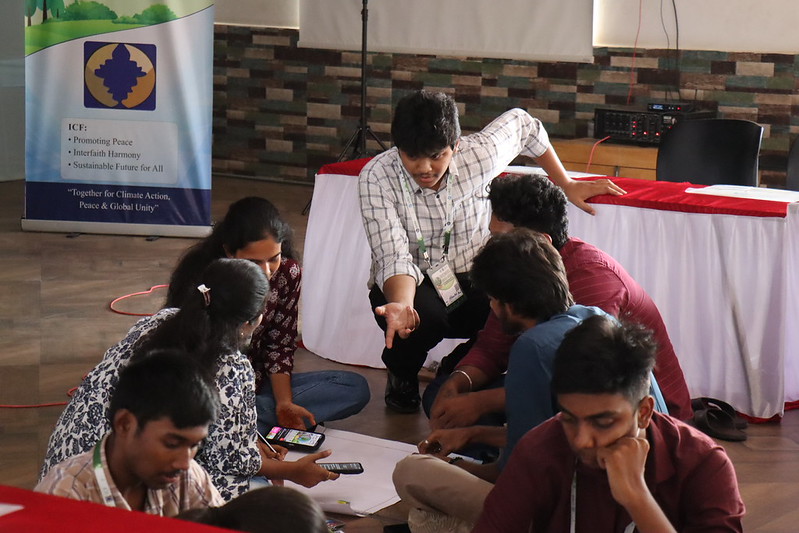
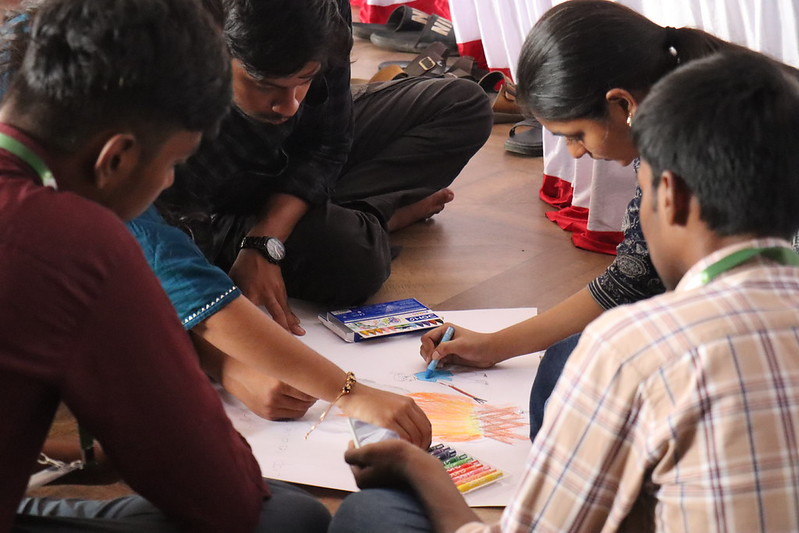
As the workshop concluded, participants presented group projects addressing environmental challenges in Vijayawada. Divided into four teams, they developed proposals on topics including land, air, water, and waste pollution, applying the conflict analysis tools learned during the training. The projects included studies on environmental pollution and neurological disorders, the environmental impacts on the nervous system, the restoration of the Budameru waterway, and community-based solutions for protecting the Krishna River.
The workshop concluded with project presentations and reflections on the role of young people in addressing climate and environmental challenges.
P. Akanksh Paul,
ICF Alumnus
India